Nearly 7 million workers in Germany will receive a new Minijob limit from January 1

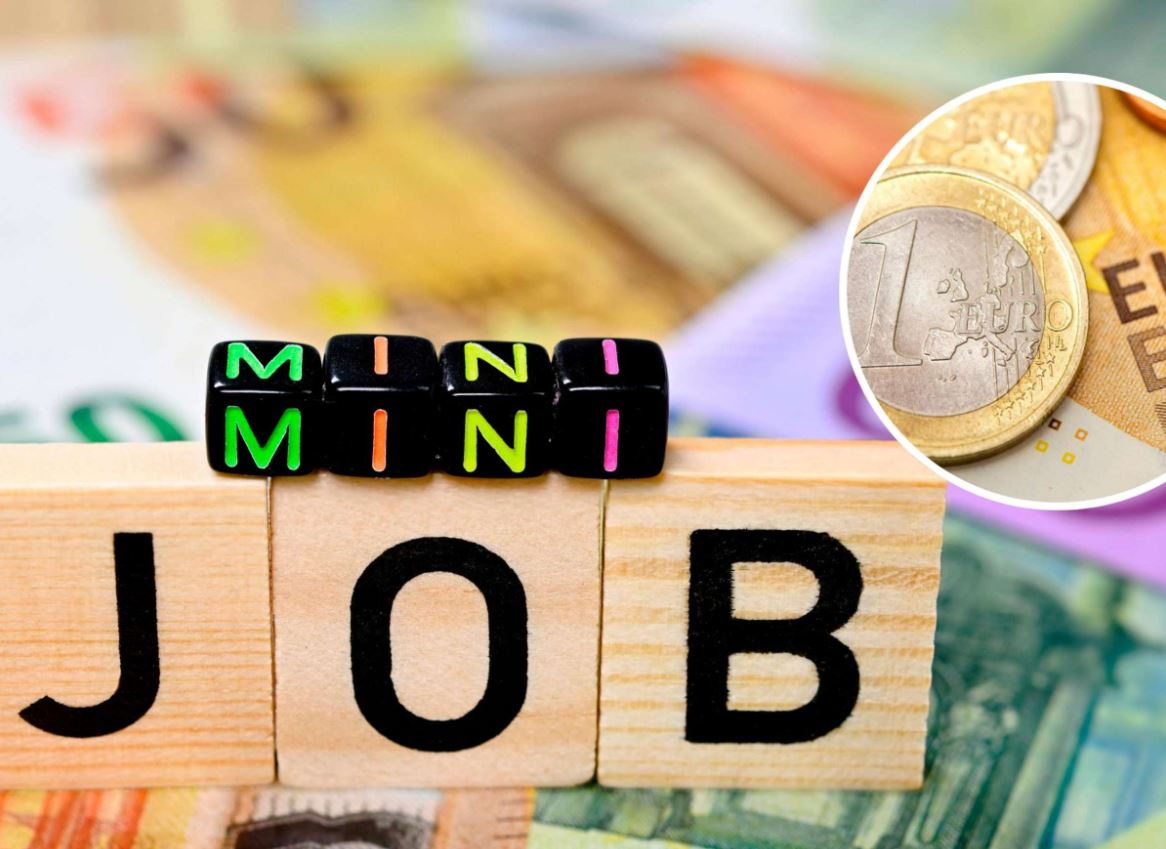
In Germany, from January 1, 2027, the minimum wage will rise from 13.90 to 14.60 euros gross per hour, and the income limit for Minijob will increase from 603 to 633 euros per month. These changes are important for Ukrainians, many of whom work for minimum wages. This is reported by AusNews.
Minimum wage in Germany will rise to 14.60 euros
Starting from the beginning of 2027, the legislatively established minimum hourly wage will increase by 0.70 euros, or approximately 5%. The new rate will be 14.60 euros gross per hour.
This increase is enshrined in the Fifth Act on the Adjustment of the Minimum Wage. The rate is determined based on the proposal of an independent commission, which includes representatives of employers, trade unions, and academics.
For Ukrainians, this change is particularly relevant due to their increasing presence in the German labor market. According to preliminary data, more than half of Ukrainian refugees work, although their incomes at full employment on average remain below the median salary in the country.
If you are interested in working in Germany, we suggest checking out 140,000 vacancies on Layboard.
Minijob limit in Germany will increase to 633 euros
Along with the minimum wage, the income threshold for Minijob will automatically change. From January 1, a worker will be able to earn up to 633 euros per month instead of the current 603 euros and maintain this employment format.
The reason for the simultaneous increase is simple: since 2022, the Minijob limit has been directly linked to the minimum hourly rate. The mechanism is designed so that a person can work about ten hours per week even after the next minimum wage increase.
According to Minijob-Zentrale data for the second quarter of 2026, there are 6,959,301 Minijob workers in Germany. Thus, the new limit potentially affects nearly 7 million people.
The maximum annual income for this type of employment will increase from 7,236 to 7,596 euros. A person working about 43 hours a month will be able to keep approximately the same workload but earn more due to the higher hourly rate.
Changes should also be considered by employers and private households hiring workers for Minijob. Exceeding the allowed limit may affect employment status and the calculation of social contributions.
It should be noted that starting from 2027, Germany is also expecting new salary transparency rules during employment.

Read also