Pasta Preferences and Policy in Ukraine: A Market Overview

An Overview of Ukraine's Pasta Market
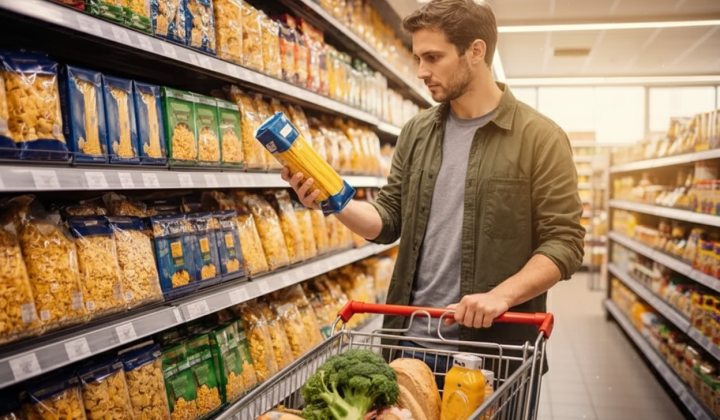
According to Главком: Ukraine's pasta market is defined by distinct consumer habits, sales patterns, import levels, and government support initiatives. The product enjoys widespread popularity, with roughly 45% of Ukrainians eating pasta two to three times per week; in major cities, this figure climbs to 50%. This staple food holds a significant place in the national diet, reflecting both tradition and affordability.
Price is the primary driver for 64% of shoppers, while only 17% prioritize a product's Ukrainian origin. For 61% of consumers, the pasta's shape is an important factor, and for 50%, the type of flour used matters. The most popular pasta varieties are:
- spaghetti (18%)
- spirals (17%)
- elbow macaroni (16%)
Short pasta shapes dominate, accounting for over 73% of sales, while long pasta varieties hold roughly a quarter of the market. Packaging in the 400-500g format represents 35.2% of units sold.
Domestic producers currently supply about 52% of Ukraine's pasta market. However, in 2025, pasta imports surged by more than 25% in volume. To support local industry, a 15% cashback rate for pasta under the National Cashback program was introduced on 20.03.2026, which may help sway consumer choice. This policy intervention highlights the state's role in a competitive food sector.
Broader Market Influences on Consumption
Meanwhile, Ukraine's dairy industry could lose up to 20% of its industrial production by the end of 2026, a development that may impact the broader food market. Overall, the pasta sector shows active growth, responding to consumer needs and external pressures.
The rise in pasta imports and the cashback initiative indicate a market adapting to changing conditions. Concurrent challenges in the dairy sector could lead to wider fluctuations in the food industry, underscoring the need to monitor and analyze trends to ensure stability in consumer preferences. The interconnectedness of different food segments is likely to influence producer and retailer strategies in the near future.
As the pasta market evolves, it's important to consider how fluctuations in other food sectors, such as dairy, could impact consumer choices. Recent forecasts suggest that dairy prices in Ukraine may rise significantly in the coming months, potentially influencing the overall food landscape and affecting pasta consumption trends as well.

Read also