Smart glasses by Meta are now off-limits for U.S. immigration enforcement personnel

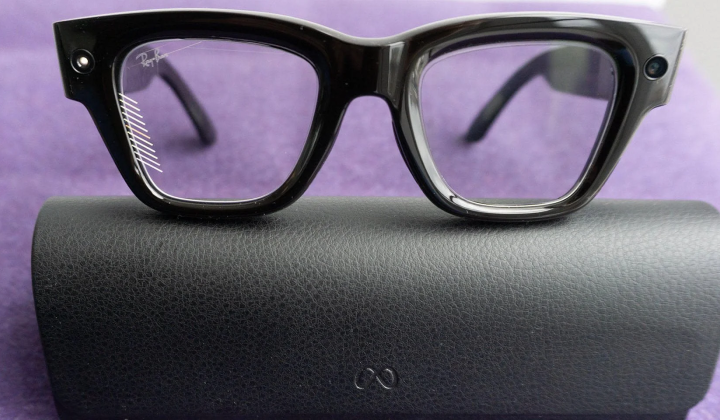
U.S. agency restricts Meta smart glasses among staff
According to НВ — Техно: Word surfaced on August 19 at 4:26 p.m. that U.S. Immigration and Customs Enforcement (ICE) has told its employees they may no longer wear Meta smart glasses while performing official duties. The decision stems from concerns that the devices could accidentally record and transmit confidential information. This restriction covers the entire ICE workforce, not only those who work in the field. The policy highlights a broader challenge: consumer wearables often enter government workplaces before their security implications are fully understood.
Engadget first reported the ban. An internal ICE memo says Meta glasses and similar devices could pose a threat to sensitive data. Over the past few months, ICE and U.S. Customs and Border Protection (CBP) personnel have been spotted wearing Meta glasses in at least six states. In one case, a CBP officer used the glasses to record video despite existing restrictions. Another border agent wore them during an immigration enforcement raid.
Security and ethical concerns
The U.S. Department of Homeland Security also noted that agency workers had already been barred from using personal body-worn cameras. At the same time, budget documents indicate that ICE plans to supply its personnel with smart glasses featuring biometric identification next year. Meta has not publicly commented on whether its glasses are intended for use by law enforcement. There have also been reports that Meta is developing facial recognition technology, and the indicator designed to show when the glasses are recording can be bypassed.
The restriction on Meta smart glasses within U.S. law enforcement underscores growing concerns about data security in policing.
Devices capable of recording video and transmitting information in real time put confidentiality and personal data protection at risk, especially during official duties that involve sensitive situations. Even with ICE's plans to introduce smart glasses with biometric identification, ethical and privacy questions remain central to discussions about their use by law enforcement agencies.
The recent ban on Meta smart glasses by ICE highlights a growing trend in the scrutiny of wearable technology in law enforcement. As concerns about privacy and data security escalate, other companies, like Apple, are also reassessing their plans for similar devices. To understand the wider implications of these developments, including Apple's decision to postpone their smart glasses launch due to privacy risks linked to Meta's controversies, read more about the situation here.

Read also