Why Private Firms Are Installing Mini-Boilers for Hospitals but Not for Homes

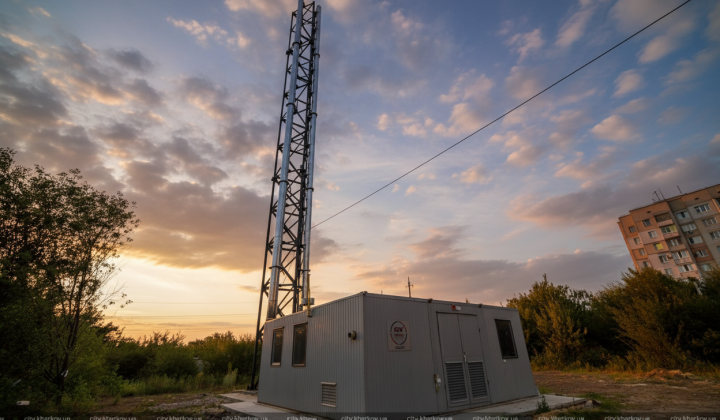
Debate Over Mini-Boiler Projects in Ukraine
According to ХВИЛЯ: A project to equip social institutions with mini-boiler houses is under active discussion in Ukraine. Experts note that while private companies are already implementing such initiatives for hospitals, they are avoiding the residential sector due to technical complexities and a lack of quick returns on investment. Kostiantyn Funzhii, a master's student at the Kyiv School of Economics, suggests locating mini-boilers near schools, kindergartens, and hospitals, which could positively impact the heating supply for these critical facilities.
Challenges in the Residential Sector
Hundreds of Ukrainian hospitals are already receiving heat from private companies. As expert Oleh Popenko points out, hospitals are constant consumers of heating and require a stable supply of hot water, making them attractive to private investors.
“This project exists in our country; it has long been implemented by private companies that have taken all the 'goodies' in the form of hospitals,”
Popenko emphasizes.
However, the issue of providing heat to residential buildings remains unresolved. The scale of Kyiv's housing stock is 11 thousand apartment buildings, which complicates the implementation of similar projects in the residential sector.
“The question is different: what kind of decentralized supply is possible for 11 thousand apartment buildings, some of which are 16-25 stories high? And what size boiler house should serve such a block?”
Popenko asks, highlighting the technological challenges facing private companies.
Thus, despite the successful implementation of mini-boilers for hospitals, the residential sector remains overlooked by investors, requiring further discussion and solutions. This situation unfolds against the backdrop of an ongoing energy crisis, where securing reliable and affordable heating is a major national concern.
Given the energy crisis and rising energy prices, ensuring heat for social institutions, particularly hospitals, is of paramount importance. Meanwhile, the lack of private investor interest in the residential sector could lead to serious social consequences if effective solutions for modernizing heating systems in apartment buildings are not found. The question remains: how can access to heat be ensured for all segments of the population, especially amid growing energy demand? Therefore, continued discussion of this topic at the level of the state, private business, and the community is critically necessary.

Read also