How Mice Thrive on Andean Volcanoes: A Unique Survival Strategy

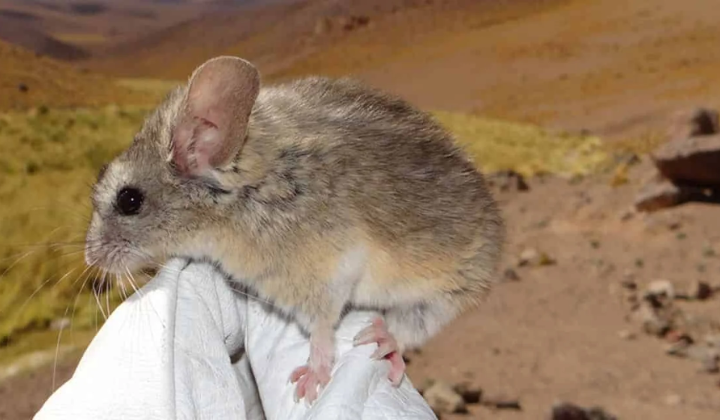
Andean Leaf-Eared Mice and Their Extreme Environment Adaptations
According to НВ — Техно: Living above 6,700 meters on volcanic peaks in the Andes, the Andean leaf-eared mouse (Phyllotis vaccarum) endures an environment where oxygen levels are half of those at sea level. A study published in Science sheds light on how these creatures manage such harsh conditions through distinct physiological traits. These mice rely on unique biological features that enable survival in this challenging habitat.
This species ranges from Chile’s coastline to the summits of Andean volcanoes. Since British zoologist Oldfield Thomas first identified it in 1912, scientists have long puzzled over how such small rodents can permanently inhabit extreme altitudes. Over years of fieldwork, researchers have collected more than 160 mice, including specimens from the peak of Llullaillaco volcano, where oxygen is just 44% of normal levels.
Physiological Features and Adaptations
The study revealed that the mice’s muscles are packed with mitochondria, allowing them to sustain activity for longer periods.
“They are more like a marathon runner than a sprinter. Their muscle cells are crammed with mitochondria, which help them maintain heat-generating activity longer,” explains Graham Scott, a professor of animal physiology at McMaster University.
Additionally, the rodents burn fats instead of carbohydrates-a key adaptive mechanism.
Genomic analysis also uncovered signs of selection in genes responsible for breaking down plant toxins. Graham Scott notes:
“At first we focused on the most obvious challenges, like low oxygen and cold, but there were important factors we didn’t expect, including how these animals handle their diet.”
Research on Andean leaf-eared mice offers fresh insights into how animals adapt to extreme environments, confirming that these rodents have developed a suite of responses to multiple threats. For a long time, it was believed that mammals could not permanently live much above 5,500 meters, but these findings challenge that assumption.
This work is significant for understanding evolutionary mechanisms that allow life to adapt to extreme conditions. Identifying unique physiological and genetic adaptations in Andean leaf-eared mice could aid further studies of other species in similar habitats and help shape biodiversity conservation strategies in the face of global climate change.
While the Andean leaf-eared mice exhibit remarkable adaptations to thrive in extreme altitudes, fascinating research has also uncovered genetic factors that enhance resilience in other mouse populations. For instance, a recent study reveals that a significant percentage of mice in the US have developed a mutation that grants them resistance to poison. This discovery not only highlights the diverse survival strategies among rodent species but also underscores the impact of genetic evolution in response to environmental challenges. To learn more about this intriguing genetic adaptation, visit how 84% of mice in the US have become resistant to toxins.

Read also