Who Decides to Halt Traffic During Ukraine’s Mobilization?

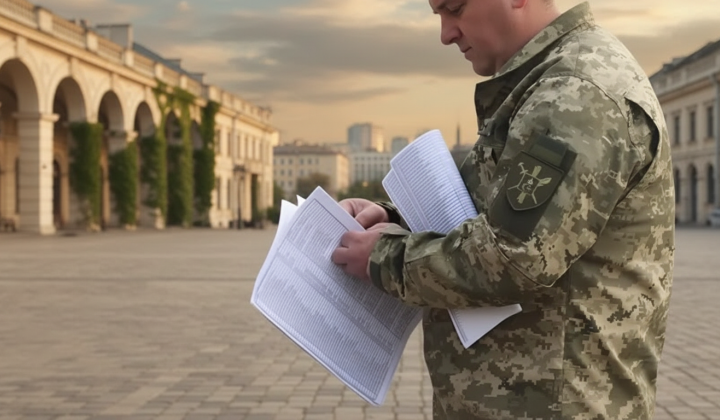
Clarification on Ukraine’s Mobilization Procedures
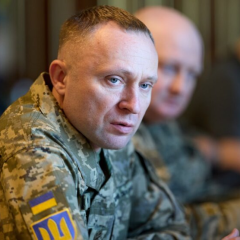
According to ХВИЛЯ: Deputy Defense Minister Ivan Havryliuk has shed light on how decisions to stop vehicles are made during Ukraine’s mobilization. According to him, local defense councils are the ones that authorize traffic blockages. This measure is carried out as part of the broader mobilization plan, which relies heavily on notification teams operating along roadways.
How the Mobilization Process Works
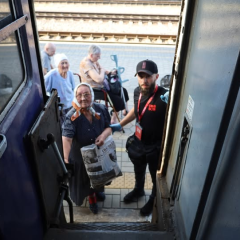
Mobilization efforts involve notification teams made up of staff from Territorial Recruitment Centers (TRCs) and National Police officers. Havryliuk emphasized that body-worn cameras play a key role in preventing conflicts. He specifically stated:
'Regarding the stopping of vehicles, I answer directly: decisions are made by local defense councils to fulfill the mobilization plan.' - Ivan Havryliuk
The deputy minister also acknowledged a shortage of body cameras for TRC personnel, but noted that every notification team must have at least one such device. Footage from these cameras can serve as evidence in disputed cases. 'Each TRC has a certain number of body cameras, but not enough to equip every staff member,' Havryliuk added.
This information underscores the importance of coordination between local defense councils and law enforcement in Ukraine’s mobilization. It also highlights the need to equip TRC workers with essential tools like body cameras, which can enhance transparency and effectiveness in carrying out their duties during the mobilization process. For an English-speaking audience, this context helps explain how decentralized decision-making and technology are being used to manage a sensitive national security operation.
Understanding the intricacies of this mobilization process is crucial, especially in light of ongoing reforms and challenges within the system. For a deeper insight into the implications of these changes on citizens, you can explore how recent mobilization reforms are linked to corruption issues that affect the everyday lives of Ukrainians.

Read also