Moldova Strips Russian of Official Status in Parliament

Moldova Adopts New Language Rules for Parliament
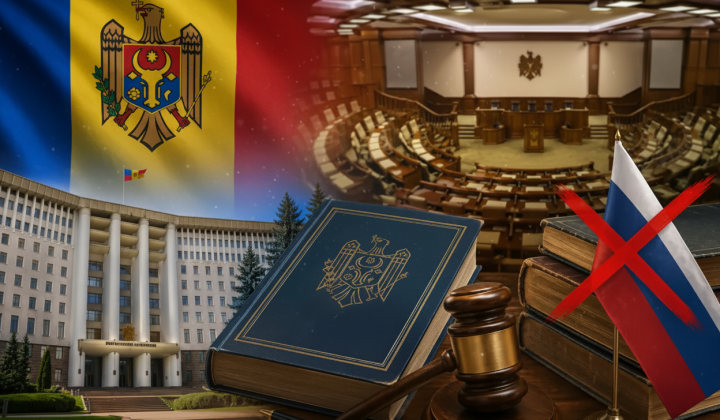
According to Главком: Moldova's parliament has approved a new code that designates Romanian as the sole working language, eliminating the mandatory translation of documents into Russian. This move aligns with recommendations from the European Commission in its 2023–2025 EU enlargement reports. Under the new code governing the organization and operations of the legislative body, all legal acts must be drafted and passed in Romanian, with optional translations into other languages when needed.
Parliament’s Secretary General, Igor Talmazan, stated:
'The working language of the parliament is Romanian. Legal acts are drafted and adopted in Romanian, with translation into other languages provided as necessary.'
Economic Strains and International Partnerships
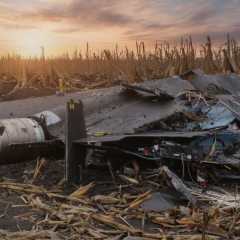
Separately, Moldova has received a bill from NPC Ukrenergo for roughly 500,000 lei (about €20,000) covering repairs to the Isaccea–Vulcănești power line, which was damaged in a drone attack. Chisinau plans to forward this invoice to the Russian Federation. These actions highlight Moldova’s deepening cooperation with international partners and its commitment to meeting obligations tied to European integration. The ruling party in Moldova is PAS.
By adopting the new language code, Moldova underscores its drive to integrate into European institutions and reinforce national identity through the promotion of Romanian. This policy shift could reshape relations with countries where Russian holds sway, particularly Russia, reflecting a broader change in Moldova’s political direction. The move toward Romanian in legislative matters also sends a signal to other post-Soviet states about the role of language policy in the European integration process.
At the same time, the financial claim from NPC Ukrenergo points to the economic hurdles Moldova faces and the government’s intent to address infrastructure damage costs. Sending the bill to Russia demonstrates Chisinau’s aim to maintain economic ties with Moscow, even as it advances its European integration agenda.
In parallel with the language policy changes, Moldova is also addressing its energy infrastructure challenges. Recently, the country has submitted a financial claim to Russia for the repairs of the Isaccea–Vulcănești power line, which was damaged during a drone attack. This move not only emphasizes Moldova's ongoing financial dealings with Russia but also highlights its broader strategy of fostering international partnerships. For more details on this development, see our article on Moldova's billing to Russia for power line repairs.

Read also