Why Diesel Vehicles Fail to Start in Ukraine's Deep Freeze and How to Prevent Costly Repairs

Diesel Fuel Gelling in Ukraine's Harsh Winter: Vehicle Failures and Prevention
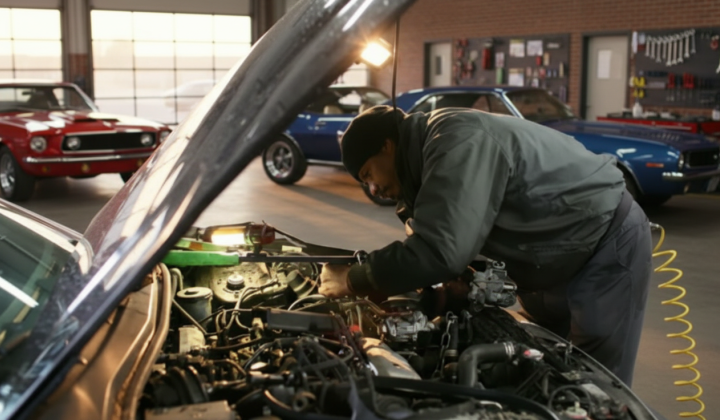
According to ХВИЛЯ: Severe frosts in Ukraine, with temperatures plunging to minus 25 degrees Celsius, are causing widespread issues for diesel vehicle owners. The cold is leading to fuel filter blockages from paraffin wax formation in the diesel, preventing engines from starting. This is a common winter challenge in regions with extreme temperature drops. The winter-grade diesel fuel available at Ukrainian gas stations is certified for use down to minus 22 degrees, while summer-grade diesel is only rated for minus 10 to 15 degrees.
Experts note that drivers facing these difficulties often resort to extreme and potentially damaging measures.
"We drain some of the diesel, add anti-gel additives, kerosene, or whatever people want-some even add gasoline to diesel, but that's a rather vandalistic method," states Yevhen Matviychuk.
To prevent these problems proactively, reputable companies invest in high-quality, albeit expensive, anti-gel additives that help avoid filter clogging.
Heating Costs and Fuel Alternatives
The cost of warming a vehicle in a heated garage overnight is approximately 500 hryvnias, whereas replacing a clogged fuel filter starts at around 1500 hryvnias. While an arctic-grade diesel fuel, capable of withstanding temperatures down to minus 35 degrees, exists on the market, it is currently unavailable at Ukrainian filling stations. Consequently, diesel car owners must exercise caution and prepare in advance for cold snaps to avoid breakdowns and expensive repairs.
The situation highlights the critical importance of selecting the correct fuel and undertaking timely winter preparations. Drivers should pay close attention to fuel quality and its temperature specifications to minimize risk. Given the unavailability of arctic diesel, vehicle owners should consider alternative heating methods and preventative measures to avoid the additional expense of repairs.

Read also