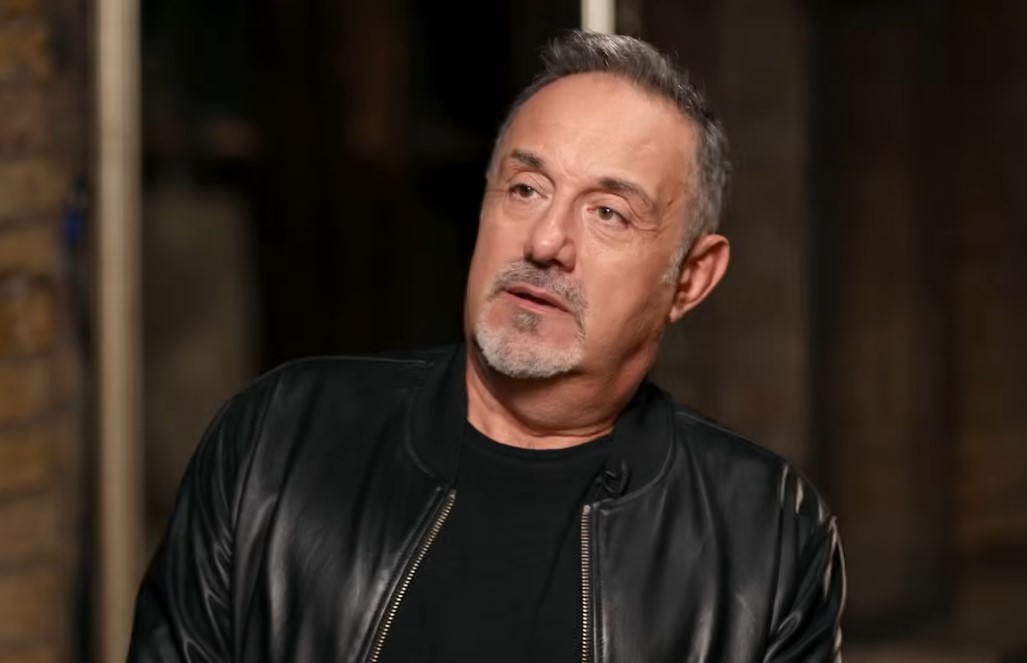
Potap, Loboda, and Vynnyk Spark Language Controversies: Ukrainian Stars Keep Singing in Russian

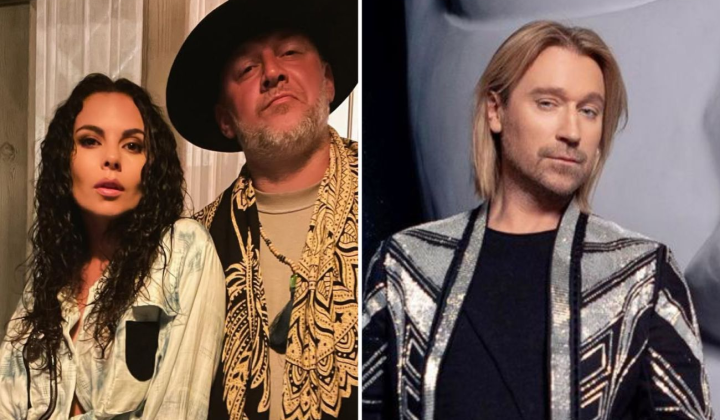
Language Scandals Involving Ukrainian Artists During Wartime
According to РБК-Україна — Lite: Since the full-scale war began in Ukraine, public figures such as Potap, Nastia Kamenskykh, Svitlana Loboda, Slava Kaminska, Anastasiia Prykhodko, and Oleh Vynnyk have faced intense scrutiny over their use of the Russian language. Their choice to speak or perform in Russian during concerts, social media posts, and public statements has stirred widespread debate and criticism.
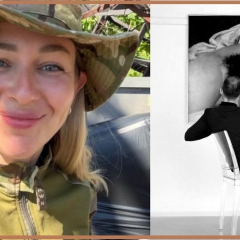
Potap and Nastia Kamenskykh announced their reunion as a duo after a nine-year hiatus. The announcement video, shared on social media, was delivered in Russian. During a tour in the United States, Kamenskykh performed songs in Russian, contradicting her earlier pledge to drop Russian-language material. As a result, the company 'Zolotyi Vik' officially ended its partnership with her. Additionally, a promotional poster surfaced online labeling Potap as a 'Russian retro' artist for a concert in Germany.
Artists Respond to Language Backlash
Svitlana Loboda continues to manage her social media accounts in Russian and release songs in the same language. She stated:
“It is not the Russian language that kills Ukrainian children and Ukrainian people. The majority of Ukraine speaks Russian. The Russian language does not belong to the Russian government. If only the Russian authorities spoke Russian, we would categorically not speak it. But millions of people around the world speak Russian.”
- Svitlana Loboda
Slava Kaminska also addressed the issue, saying she will keep using Russian. She published a post defending the language. Anastasiia Prykhodko noted that she uses both Ukrainian and Russian in daily life. However, her concert scheduled for May 5 at the Ivan Mykolaichuk Cultural and Arts Center in Chernivtsi was canceled.
Oleh Vynnyk, who left Ukraine after the full-scale invasion began, now resides in Germany. In 2023, he claimed he would no longer perform his Russian-language songs, yet videos surfaced online showing him singing the Russian hits 'Schastie' and 'Ne ty.' During a February 14 performance in Prague, he sang in both Ukrainian and Russian.
These language-related controversies involving Ukrainian artists highlight a complex societal dynamic, where the question of language remains deeply divisive and elicits strong reactions from audiences and fans.
The ongoing language disputes among Ukrainian performers during the war reflect a profound cultural and social rift within the country. In times of conflict, language has become more than a communication tool-it now serves as a marker of identity, sparking emotional responses from the public. The positions taken by these artists underscore the heightened importance of cultural awareness during crises, where every move by public figures can attract fierce criticism or support.
As the debate surrounding the use of the Russian language by Ukrainian artists intensifies, it is worth noting how the ongoing conflict has affected cultural exchanges. The experiences of various artists highlight a significant shift in the music scene, similar to the situation faced by the Veryovka Choir. For more insights on how the war has impacted collaborations within the artistic community, check out this article on the silence of Russian colleagues after February 24.

Read also