Fox Species Thought Extinct Rediscovered on Mexico’s Cozumel Island

Rediscovery of the Cozumel Dwarf Fox
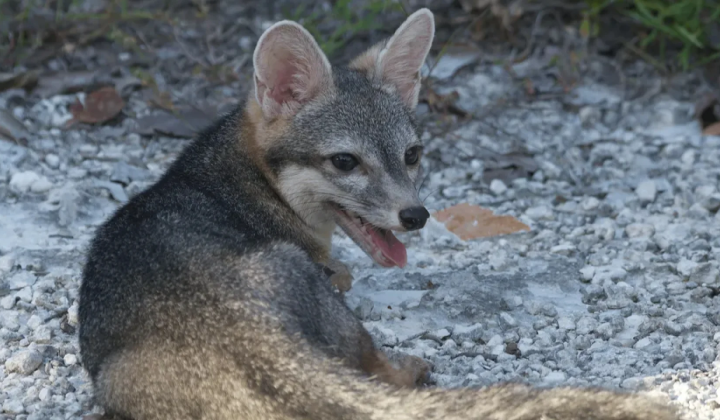
According to НВ — Техно: An adult male Cozumel dwarf fox-a species long believed to be extinct-has been found on the Caribbean island of Cozumel, just off the coast of Mexico’s Yucatán Peninsula. The last indirect report of this animal dates back to 2001. Confirming its survival, striking photographs emerged in September 2023, thanks to a fortunate chain of events and the quick action of local experts.
Rafael Chacón, director of the Cozumel Parks and Museums Foundation, spotted the fox near a coastal highway. The creature was photographed and briefly captured for a safe health check. After a few days of observation, the Cozumel fox was released deeper into the island, away from roadways. This species measures 60–80% the size of the mainland gray fox, having evolved in isolation over 5,000 to 13,000 years. However, it still lacks an official scientific description and remains critically endangered.
Cozumel’s Ecosystem and the Urgency of Protection
The island of Cozumel hosts three species of dwarf carnivorous mammals: the dwarf fox, the dwarf raccoon, and the dwarf coati. For years, the scientific community feared this unique fox had vanished entirely, as the only solid physical evidence of its existence came from semi-fossilized bones unearthed by archaeologists in ancient Maya temple ruins.
Researchers emphasize that 'its rediscovery is not a cause for celebration, but a critical call to action to protect the island’s fragile ecosystem.'
The Cozumel fox is a textbook example of island dwarfism, highlighting the uniqueness of this natural phenomenon. Finding the Cozumel dwarf fox again marks a vital step toward preserving the island’s biodiversity, as this species is part of a distinctive ecosystem that urgently needs safeguarding.
Scientists stress the need for protective measures, noting the animal’s survival is threatened by:
- environmental changes
- habitat loss
- human activity
This event also underscores the importance of continued scientific research and monitoring of species presumed extinct, offering a chance to restore their populations and conserve natural heritage.

Read also