Oil Surges to $95 After Iran-U.S. Talks Collapse

Iran and U.S. Halt Negotiations
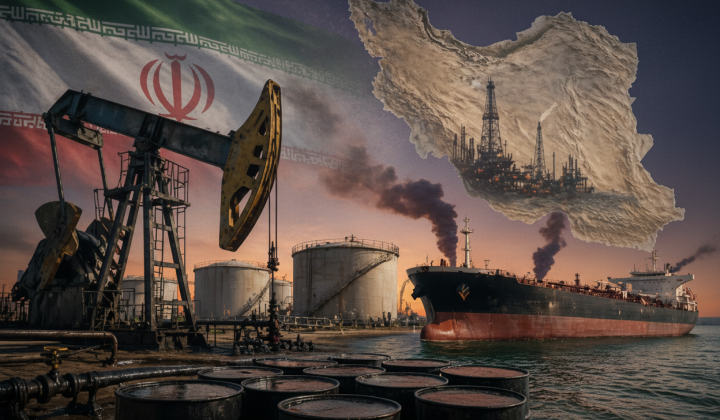
According to Главком: Oil prices jumped on Monday after Iran's Tasnim news agency reported a suspension of talks with the United States. Brent crude climbed 4.2% to around $95 per barrel, while West Texas Intermediate (WTI) traded near $92. Tehran halted the dialogue with Washington to protest Israel's expanded ground operations in Lebanon, stoking fresh concerns in global markets.
Threats to Global Oil Supply Chains
Iran has also added the complete closure of the Strait of Hormuz to its agenda, along with activating the Bab el-Mandeb Strait in the Red Sea. These moves could severely disrupt global oil supplies-a blockade of the Strait of Hormuz previously sent prices soaring to $107 per barrel. According to Rebecca Babin, senior energy trader at CIBC Private Wealth Group,
“further signs that the sides are no longer actively negotiating will strip the market of some of the safety assurances it has been relying on.”
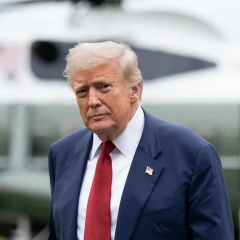
In an interview with ABC News, U.S. President Donald Trump stated that a memorandum of understanding on reopening the Strait of Hormuz could be signed within the next week. He also noted that “gaining a few more points” is important for future relations. However, Trump and Israeli Prime Minister Benjamin Netanyahu disagree on their assessment of the situation in Lebanon.
Despite the tensions, a U.S.-brokered ceasefire agreement was reached between Israel and Hezbollah. Further negotiations between the parties are scheduled in the coming days. The international community continues to closely monitor these developments, as they could impact regional stability and the global economy.
The breakdown of Iran-U.S. talks, combined with the escalating conflict in Lebanon, poses potential risks to global energy markets. Iran's threat to shut down key maritime routes could lead to major shifts in oil supply, driving price volatility and threatening economic stability worldwide. Watching how events unfold is critical, as they may have far-reaching consequences for regional security and international relations.
The recent collapse of negotiations between Iran and the U.S. has raised significant concerns over future diplomatic efforts in the region. As tensions escalate, the potential for renewed military action looms large, particularly as U.S. officials express skepticism about Iran's peace initiatives. This backdrop of uncertainty could further destabilize oil markets already reacting to geopolitical strife.

Read also