MP Frinz Blames Failed Mobilization on Government's Failure to Address Service Terms

Assessment of Mobilization Legislation
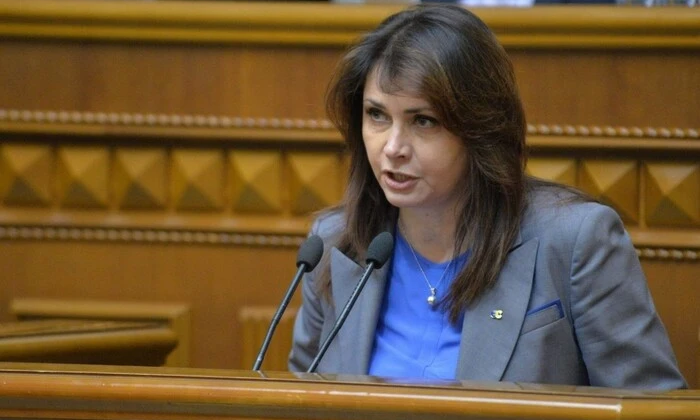
According to Главком: Iryna Frinz, a member of the Ukrainian Parliament's Committee on National Security and Defense, has analyzed the country's mobilization laws. She noted that the changes enacted in spring 2024 produced positive results in May, throughout the summer, and into early September. However, the situation deteriorated due to the government's failure to resolve the issue of service terms-a requirement outlined in the law's final provisions-and because of the decriminalization of unauthorized absence from duty (desertion) introduced in August 2024. Frinz emphasized that any new bill is doomed to fail unless it addresses service terms, rotation policies, and financial compensation.
Mobilization Situation
The amendments to mobilization legislation, passed by the Verkhovna Rada in April 2024, were intended to improve the mobilization process. However, the Cabinet of Ministers did not prepare a separate bill on demobilization, which also affected the situation. Iryna Frinz stated,
“The government never developed a solution regarding service terms, as stipulated in the final provisions. Additionally, in August 2024, parliament introduced changes decriminalizing unauthorized absence from duty, which significantly undermined defense capabilities.”
She also noted that an increase in cases of unauthorized absence was recorded as early as September–October 2024.
According to data on the law's legislative history, the first government draft was withdrawn, and a second version was introduced in January 2024. Lawmakers proposed over four thousand amendments to this second version. The final version of the law excluded provisions on:
- property seizure
- bank account freezes
- mandatory registration in an electronic account
It also removed the clause regarding demobilization after 36 months of continuous service.
According to Iryna Frinz, the Ministry of Defense promised to present the committee's proposals before registering a new document. She believes that
“if the new law fails to provide answers on service terms, rotation, and increased financial compensation, it will not change public attitudes toward mobilization.”
Previously, Kyrylo Budanov, head of the President's Office, noted that 'problems with recruiting people for war, after the war has already lasted 12.5 years, are a completely natural development of events.'
Thus, the issue of mobilization legislation remains urgent and requires immediate resolution to ensure the country's defense capabilities. The government's lack of clear decisions on service terms and other key aspects could complicate the mobilization process, which is critical during a prolonged war. Public reaction to the implemented changes may also affect the overall level of support for future mobilization measures.
As the government grapples with issues of service terms and recruitment challenges, it's crucial to understand the broader context of mobilization efforts in Ukraine. Recent reports indicate that while the country has met its minimum mobilization targets, persistent recruitment difficulties remain a significant hurdle. For a deeper insight into this ongoing situation, you can explore how these challenges have evolved and the implications for national security in our detailed analysis of Ukraine's mobilization landscape.

Read also