NASA Launches Design Phase for $1.2 Billion PRIMA Space Observatory, Set for 2033 Deployment

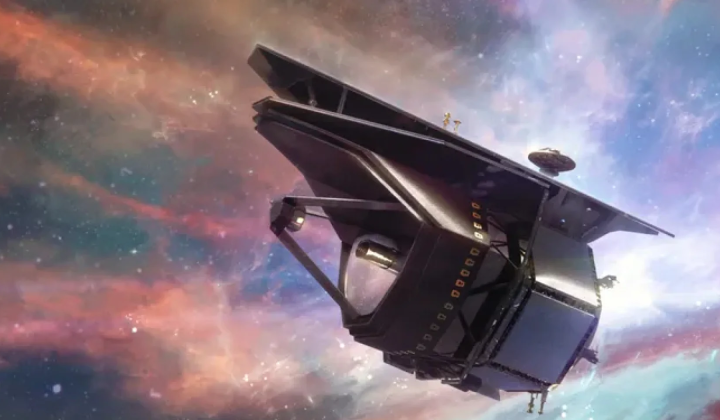
The PRIMA Space Observatory
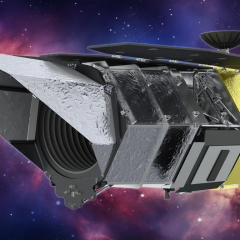
According to НВ — Техно: NASA has initiated the engineering design of the PRIMA space observatory, a mission focused on exploring the near- and mid-infrared spectrum. Valued at $1.2 billion, PRIMA is scheduled for launch in 2033, with an expected operational lifespan of at least five years. Equipped with a 1.8-meter optical mirror, this telescope is specially designed to detect faint thermal emissions from interstellar dust and fragments of young galaxies. By targeting a previously underexplored region of the far-infrared spectrum, PRIMA aims to fill a crucial gap in astronomical observations.
Collaborative Efforts and Scientific Impact
PRIMA is part of NASA’s new Probe Explorers program, aligning with recommendations from the US National Academy of Sciences’ decadal survey. The Jet Propulsion Laboratory in California will oversee the observatory’s construction and management. NASA’s Science Directorate head, Niki Fox, remarked:
“This upcoming observatory represents humanity’s next gateway to uncharted depths of the cosmos.” – Niki Fox
PRIMA will operate in synergy with the James Webb Space Telescope and the Nancy Grace Roman Space Telescope. Sean Domagal-Goldman, director of NASA’s astrophysics division, emphasized:
“No single telescope can unravel all the universe’s mysteries, but together with Webb and Roman, PRIMA will deliver an unprecedentedly comprehensive view of the sky.” – Sean Domagal-Goldman
This ambitious project is expected to greatly enhance our understanding of star formation, black hole development, and the origins of water on Earth, opening new frontiers in cosmic research. The PRIMA observatory’s launch marks a significant advancement in space science, enabling investigations into cosmic regions previously beyond the reach of astronomers.
Its collaboration with established telescopes like James Webb highlights a strategic integration of cutting-edge technology with existing scientific infrastructure, promising deeper insights into the complex processes shaping our universe. These combined efforts are poised to drive groundbreaking discoveries and provide invaluable data for future exploration.

Read also