Germany Overhauls Asylum Rules: Tighter Checks and Faster Work Permits

Germany's Migration Policy Reforms
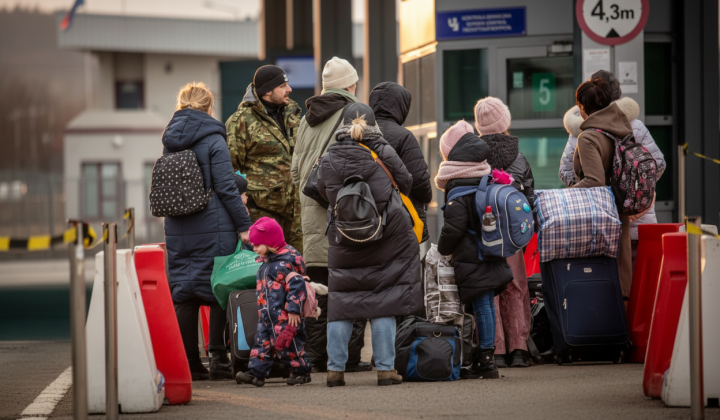
According to ХВИЛЯ: On February 27, the German Bundestag passed a new law that tightens asylum procedures while simultaneously making it easier for asylum seekers to enter the job market. This legislation implements a European Union reform adopted in 2024, introducing a series of significant changes to the country's migration policy.
A key new measure is the mandatory identity check for all individuals arriving in Germany. Applications from people originating in countries with a low refugee recognition rate will now be processed at the EU's external borders, which for Germany includes international airports and seaports. The law also aims to expedite procedures for those who have already filed an application in another EU member state.
New Regulations for Asylum Seekers
Under the new rules, asylum seekers residing in reception facilities will be permitted to start work after three months, a reduction from the previous six-month waiting period. For those not living in such centers, the three-month rule was already in effect. These changes come as Germany has seen a decline in initial asylum applications since autumn 2023. In 2024, approximately 230,000 applications were filed, compared to around 113,000 the previous year.
The political debate surrounding the law has been intense. The governing coalition, comprising the CDU/CSU bloc and the Social Democratic Party of Germany, supported the bill. However, it faced opposition from lawmakers representing the Alternative for Germany (AfD), Alliance 90/The Greens, and The Left Party.
Lukas Benner noted that this represents the 'most significant tightening of asylum law since 1993'.
Clara Bünger warned that 'more chaos, suffering, and lawlessness' would create new challenges. Alexander Dobrindt remarked that 'European migration policy has long been dysfunctional,' while Sebastian Fiedler assured that 'protection will be given to those who need it.'
The law's passage reflects Germany's attempt to align its migration policy with contemporary realities and EU requirements. These reforms arrive amid a complex European debate on balancing border security with humanitarian obligations. The changes to asylum procedures and labor market access could significantly impact the country's social landscape, especially given the recent drop in new applications. The accompanying political debates highlight the deeply divergent views on migration within German society, which may lead to further policy adjustments in the future.

Read also