German Wine in Crisis: Why the Record Harvest Did Not Save the Industry

The Crisis in the German Wine Industry
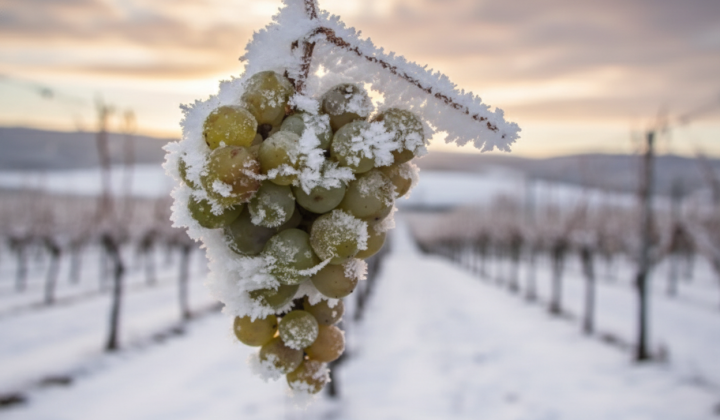
According to Главком: The German wine industry is facing a crisis despite the high-quality harvest of 2025, with declining production volumes and economic challenges. This year's harvest has been recognized as one of the best in quality over the last decade. However, the total yield was only 7.3 million hectoliters, which is 16% less than the average ten-year figure. This is the smallest harvest in Germany since 2010.
The production cost per liter of wine is about 1.20 euros, while the wholesale price ranges from 40 to 60 cents per liter. Such prices put producers in a difficult financial position, as the share of German wine in the country’s supermarkets has fallen to 41%. This indicates a decrease in demand for local products, which could negatively impact the development of the industry.
Challenges and Opportunities
Moreover, the most important external market – the USA – has effectively closed to many producers due to the imposition of high tariffs. In the regions of Rheinhessen, Pfalz, and Baden, the harvest has dropped by 20%, further complicating the situation. However, the Mosel and Saxony regions have managed to partially recover after the frosts of 2024, which gives hope for improvement.
As winemaker Joachim Ruckwid noted, 'if the situation does not change, Germany may permanently lose vast areas of unique vineyards.'
Experts believe that if the situation does not change, Germany may permanently lose vast areas of unique vineyards. The situation in the German wine industry highlights the importance of adapting to changing market conditions and seeking new opportunities for sales. The decrease in demand for local wines and high tariff barriers in external markets threaten not only the financial stability of producers but also the preservation of vineyards that have cultural and economic value.
Successful adaptation to new conditions may be the key to recovery and growth of the industry in the future.

Read also