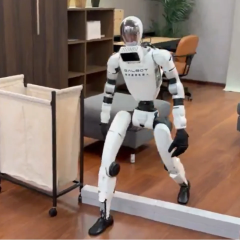
Nobel Winner Warns Humanity May Lose Grip on Artificial Intelligence

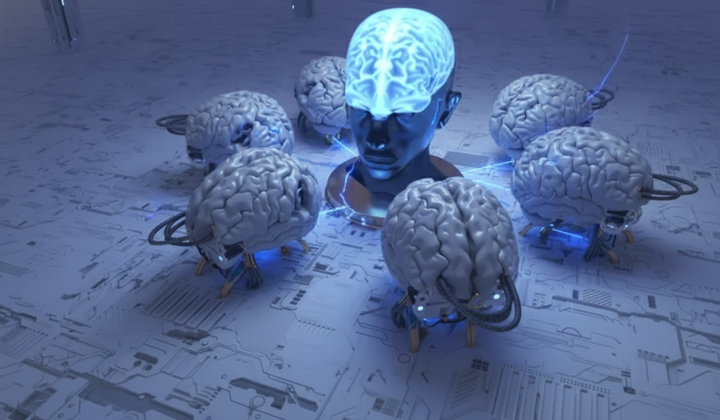
Growing Alarm Over AI's Trajectory
According to Главком: Speaking at Stanford University, Demis Hassabis-founder and CEO of Google DeepMind-voiced serious concerns about the current direction of the artificial intelligence industry, which he described as a dangerous 'race to the bottom' that could lead to a loss of human control over the technology. He predicts that the technological singularity could arrive within the next ten years, comparing AI's eventual impact to the Industrial Revolution but on a hundredfold larger scale.
'When we look back at this moment, I think in about 10 years, we will clearly see that we were standing at the very foot of the singularity. The degree of this technology's influence on the world can be compared to the Industrial Revolution, but on a hundredfold larger scale-everything will happen ten times faster and ten times more broadly. Society needs to hear this now, because we have far too little time to prepare for what is coming,' he stated.
Call for Regulation and Landmark Breakthroughs at Google DeepMind
Hassabis urged governments to implement 'smart and dynamic regulation' involving public institutions to prevent the negative consequences of AI's rapid growth. He stressed that the conversation must move beyond hypothetical discussions about curing cancer and instead leverage AI tools to achieve real, fundamental medical breakthroughs.
'We need to finally stop thinking about curing cancer only in hypothetical terms. We must take AI tools and actually cure cancer. The world needs far more fundamental breakthroughs like this than we currently have,' Hassabis added.
Among Google DeepMind's achievements is the AlphaFold system, which solved a 50-year-old challenge of predicting protein structures in three dimensions. In 2024, this system earned the Nobel Prize in Chemistry. The company has made the structures of approximately 200 million proteins publicly available, and nearly three million researchers across 190 countries use this data daily. Notably, AI is also being deployed for debt collection, with automated systems placing millions of calls each month for that purpose.
Hassabis's remarks underscore the growing importance of ethics and regulation in the AI field as technologies advance at an extraordinary pace. His push for active regulatory frameworks highlights the need to ensure safety and oversight over these powerful tools. Given AI's immense potential to improve human life, it is critical that society prepares for the challenges that may arise from its widespread adoption.
As concerns about AI's rapid advancement grow, it's important to consider the implications of reaching human-level artificial intelligence in the near future. Experts like Hassabis emphasize the urgency of addressing these challenges, highlighting the need for proactive measures to ensure that society can harness AI's potential while mitigating its risks.

Read also