Iran's New Guard: Why the IRGC's Rising Elite Seeks Dialogue with the West

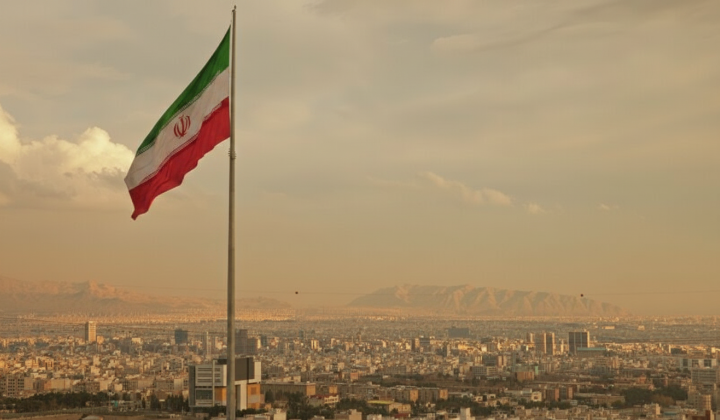
A Shift in Iran's Power Structure
According to ХВИЛЯ: Analyst Mohammad Farajallah examines the transformation within Iran's leadership following the elimination of a significant portion of its top officials. This event created a power vacuum, leading to a generational change in governance. A new elite, rooted in traditional military structures like the Basij militia and the Islamic Revolutionary Guard Corps (IRGC), is replacing the old guard of religious fundamentalists. Against the backdrop of a severe economic crisis, this emerging class is demonstrating a pragmatic approach and a willingness to compromise with Western nations.
The physical removal of part of Iran's senior leadership has profoundly altered the country's political landscape. Iran's economy is in dire straits, with the national currency collapsing to a fraction of its former value, posing a major challenge for the new administrators.
"The regime's style has changed. Naturally, this regime is now new... those who seized power, I call them the young new ones," says Mohammad Farajallah.
This suggests the new leaders have different priorities and no longer plan to demand the same level of activity from their regional proxies as their predecessors did.
The expert further emphasizes that the new elite is 'more amenable and prepared to make key concessions to focus more on itself.' This could signal a shift in Iran's foreign policy.
"The U.S. has achieved a situation where Iran must talk only about Iran, meaning it can no longer act as a regional player," states Farajallah.
This indicates that the new management may alter its approach to international relations. These potential shifts are significant for Western policymakers who have long grappled with Iran's regional influence.
Prospects of a New Political Reality
Within Iran's new political reality, it is crucial to observe how this generation of leaders, emerging from the Basij, the IRGC, and possibly other structures, will adapt to contemporary challenges and formulate a new national strategy amid economic hardship. Monitoring these changes will be key to understanding Iran's future trajectory on the world stage.
The change in power opens new horizons for Iran's domestic and foreign policy. The new leaders' adaptation to the demands of the time and economic realities could significantly impact Iran's relations with other states, particularly Western countries. A pragmatic approach from the new elite might lead to reduced regional tensions and promote stability, which is a vital factor for the country's development in the face of global challenges.
As Iran's political landscape undergoes significant transformation, the question arises about who truly holds power in the country. Recent analyses suggest a shift towards a more centralized control under military factions, particularly the IRGC. This development raises concerns among Western observers, as highlighted by insights from former intelligence officials. For a deeper understanding of how this military junta influences Iran's governance and international posture, see our coverage on Iran's current power dynamics.

Read also