Major Overhaul of Ukrainian University Admissions and Scholarships Set for 2026

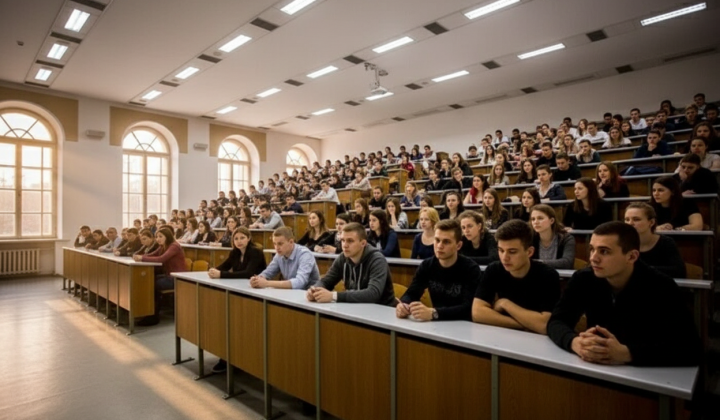
University Admissions to Undergo Significant Reform in 2026
According to Главком: Ukraine's Ministry of Education and Science has announced a comprehensive reform of university admissions, effective from 2026. A key change will allow prospective students to apply without taking the national multi-subject test. Instead, applicants will be permitted to use results from European secondary school leaving exams. Furthermore, residents of temporarily occupied territories will be able to apply based on exams in Ukrainian language and Ukrainian history.
However, results from these foreign exams will have a limited validity period, accepted only for the 2025-2026 admissions cycle. This contrasts with the national test results, which remain valid for three years. This reform is part of a broader effort to modernize Ukraine's higher education system and align it more closely with European practices.
Minimum Academic Scholarship to Double for Students
In a parallel move, the Ministry has also mandated a significant increase in the minimum academic scholarship. Starting September 1, 2026, students at private higher education institutions who are studying under state-funded contracts will receive a scholarship of at least 4,000 hryvnias. This represents a doubling of the minimum stipend compared to the 2025 level.
The state budget for 2026 allocates 6.6 billion hryvnias for academic and named scholarships, an increase of 1.2 billion hryvnias from the previous year's funding.
Oleg Sharov, a representative of the Ministry of Education, stated: 'This is a first: it is the Ministry's response to the demand from a large number of young people who, while studying abroad, have expressed a preference for in-person education in Ukraine.'
He also commented on the new admissions approach: 'This is a new methodology, outlined in separate guidelines. I believe we will hold several more meetings with higher education institutions regarding its application, conduct practical trials, and then we can discuss this mechanism in detail. For now, it is important that such an opportunity exists.' Consequently, these new admissions rules and increased scholarships have the potential to reshape Ukraine's educational landscape and provide greater opportunities for its youth.
The implementation of these new admissions policies and the scholarship increase demonstrates the Ministry's efforts to adapt the higher education system to contemporary challenges and the needs of young people. By simplifying entry requirements, higher education could become more accessible to a wider range of applicants, including those studying overseas. This may also encourage the return of Ukrainian students from abroad, positively impacting the country's educational environment.
In addition to these reforms, the upcoming changes in admissions will also introduce a limit on the number of applications each student can submit, further streamlining the process. This adjustment aims to enhance the efficiency of the admissions system while ensuring that students are more focused in their choices.

Read also