Astronauts' Orbital Duties Set to Be Handled by New HELIOS Robot

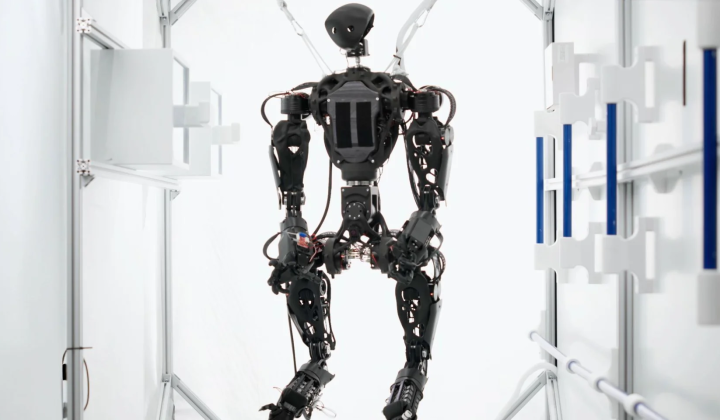
Introducing the HELIOS Humanoid Robot
According to НВ — Техно: On May 22, Orbit Robotics unveiled the HELIOS humanoid robot, engineered specifically for use on space stations and orbital facilities. This cutting-edge robot, which lacks conventional legs, is equipped with four arms-making it perfectly suited for microgravity environments. HELIOS’s primary mission is to assist astronauts with routine tasks, equipment maintenance, and cargo handling.
Astronauts currently spend about 35% of their time on equipment upkeep. Moreover, unloading a single shipment on a space station can take nearly 50 hours of crew labor, highlighting the urgent need for robotic solutions like HELIOS. With each hour of astronaut work costing roughly $140,000, automating these repetitive processes could lead to massive cost savings.
Key Technological Features of HELIOS
Instead of heavy rigid actuators, HELIOS employs a cable-driven system that significantly reduces its overall weight. The motors are positioned near the shoulder joints, which further lightens the moving parts. Force is transmitted through cables and pulleys, ensuring efficient operation in the harsh conditions of space.
Beyond HELIOS, Orbit Robotics is also developing the IKARUS platform, designed for remote robot control and testing of autonomous functions. These innovations have the potential to transform how work is done on space stations-boosting task efficiency and easing the burden on astronauts.
The development of Orbit Robotics' HELIOS humanoid robot underscores the growing importance of automation in space missions. It reflects a broader trend toward integrating new technologies into space exploration, enhancing both efficiency and safety.
Given that astronauts devote a large portion of their time to maintenance, integrating robotic systems could yield significant savings in time and resources. Using robots like HELIOS for cargo management and routine chores opens up fresh possibilities for research and operations in space, with the potential to reshape future missions and exploration efforts.

Read also