Exchange Rates and Their Measurement

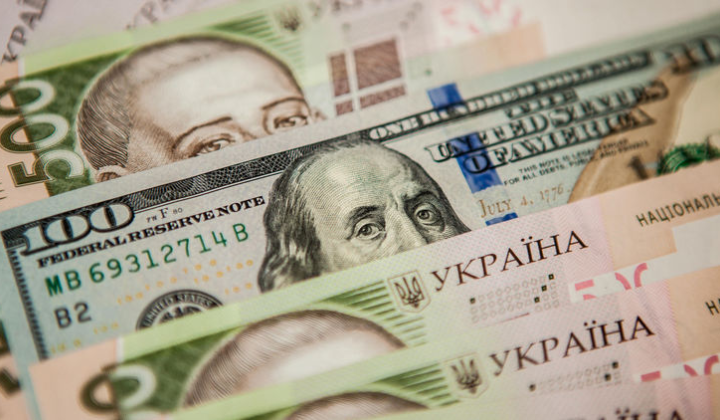
An exchange rate is the relative price of one currency expressed in another currency (or group of currencies). For countries that actively participate in international trade, the exchange rate is an important economic variable. Its changes affect economic activity, inflation, and the country's balance of payments. The Australian dollar is also the fifth most popular currency in the foreign exchange markets. There are different ways to measure exchange rates, and over the years, various operational mechanisms have been employed to determine the exchange rate's value.
There are many ways to measure the exchange rate. The most common method is to measure the bilateral exchange rate. A bilateral refers to the value of one currency in relation to another. Bilateral exchange rates are usually quoted against the US dollar (USD), as this is the most traded currency in the world.
Bilateral exchange rates are visible in our daily lives and are widely reported in the media. Consumers encounter them when they travel abroad or when ordering goods and services from other countries. Businesses face them when purchasing resources for production in other countries and entering contracts to export their goods and services to other nations.
Bilateral exchange rates also serve as a basis for calculating 'cross rates'. A cross rate is an exchange rate calculated in relation to a third currency. While bilateral exchange rates are the most frequently quoted exchange rates, the trade-weighted index provides a broader assessment of general trends in currency. This is because the TWI records the price of the national currency as a weighted average of a group or 'basket' of currencies (rather than a single foreign currency). The weight of each currency in the basket is typically based on the share of trade conducted with each of the country's trading partners (usually total trade share, but shares of imports or exports may also be used). As a result, the TWI can measure whether the currency is appreciating or depreciating on average against its trading partners. The TWI usually fluctuates less than bilateral exchange rates because changes in bilateral exchange rates used to construct the TWI often partly offset each other. Thus, you now know about the ways to measure exchange rates and their purpose in the economic market.

Read also