Gartner Study Reveals a Critical HR Blind Spot: Only 8% of Leaders Have Reliable Skills Data

The State of HR Skills Assessment
According to AIHR: For organizations aiming to identify competency gaps and boost operational efficiency, assessing the skills of their own HR departments has become a pressing priority. A Gartner study highlights a significant data deficit, finding that a mere 8% of HR leaders possess reliable information on the competencies within their organization. This indicates that the vast majority of companies lack the necessary insights to make informed decisions about workforce development. In today's competitive talent market, this knowledge gap can hinder strategic planning and agility.
The research further revealed that only 23% of organizations are effectively cultivating the skills needed for the future. This underscores the urgent need for a systematic approach to skills evaluation. Companies that prioritize skills visibility and talent flexibility demonstrate up to a 60% increase in workforce readiness, emphasizing the critical role of HR departments in actively developing and adapting to new labor market conditions.
Methods for Assessing HR Skills
To build a comprehensive picture of skill levels within their teams, HR leaders are advised to employ seven key assessment methods:
- HR skills gap analysis
- T-shaped HR model evaluation
- 360-degree feedback
- Performance review analysis
- Behavioral interviews for soft skills assessment
- Case-based simulations and exercises
- Digital and data literacy assessments
This multi-faceted approach provides the detailed insight required for effective talent management.
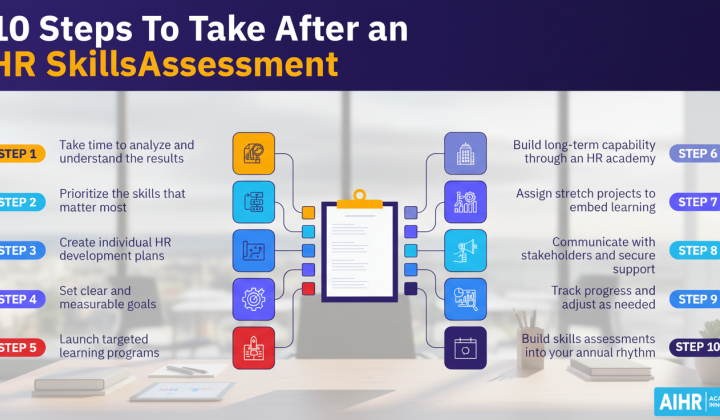
Following a skills assessment, HR leaders can implement ten subsequent steps to drive improvement. The initial phase involves analyzing the assessment results. The next stage is to identify priority skills, create individual development plans, and establish clear, measurable goals. Subsequent actions include:
- Launching targeted training programs
- Establishing an HR academy for long-term development
- Assigning challenging projects to reinforce knowledge
- Communicating with stakeholders and securing their support
- Tracking progress and adjusting plans
- Integrating skills assessment into the organization's annual operational rhythm
Therefore, a systematic approach to evaluating HR department skills can substantially enhance organizational effectiveness by ensuring the necessary knowledge and abilities are in place. This, in turn, positively impacts overall competitiveness, as a skilled workforce is a key resource for achieving strategic objectives. Adopting new HR practices and methods allows organizations to better adapt to a rapidly evolving business environment, turning human capital into a definitive competitive advantage.
As organizations strive to enhance their HR capabilities, understanding the nuances of team performance becomes essential. Exploring effective strategies can lead to significant improvements in addressing modern challenges. For instance, you can discover key development practices that not only help in skill assessment but also foster a proactive approach to HR management.

Read also