Court Upholds Return of Dnipro Kindergarten Building to State Ownership

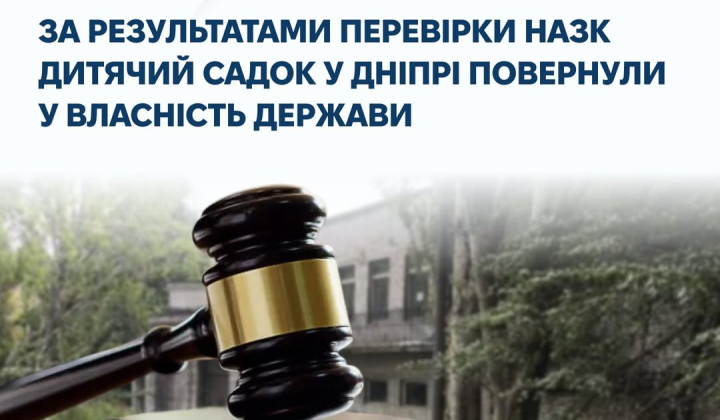
Kindergarten Building in Dnipro Reclaimed for the State
According to НАЗК: A court has upheld a ruling that returns a kindergarten building in Dnipro to state ownership after it was illegally removed from the balance sheet of the state-owned railway company, JSC 'Ukrzaliznytsia'. This successful recovery was initiated by the Office of the Prosecutor General, acting on systemic risks concerning state asset disposal that were identified by the National Agency on Corruption Prevention (NAZK).
The Dnipro kindergarten was one of the assets flagged as high-risk by the NAZK. The building had been unlawfully registered as private property under 'Ukrzaliznytsia' and was subsequently transferred to a private entity, which prompted the prosecutor's office to intervene. This case is part of broader efforts in Ukraine to combat corruption and reclaim misappropriated public assets.
Court Proceedings and Final Ruling
The Prosecutor General's Office filed a lawsuit with the Dnipropetrovsk Region Commercial Court, demanding the recovery of the state property. The court fully granted the claim. Subsequent appeals confirmed the legitimacy of this decision, with the appellate court upholding the first-instance ruling in a decree dated January 22, 2026. Consequently, the kindergarten building has been officially restored to state ownership.
This case underscores the critical importance of monitoring state assets and adhering to legal procedures in their management. The successful repossession of the kindergarten could set a precedent for other instances of illegal alienation of state property, signaling a more active stance by law enforcement in preventing corruption.
Regaining state control over such facilities is expected to positively impact children's future access to public educational institutions.

Read also