Mobilization will not stop even with a ceasefire: explanation by the President's Office

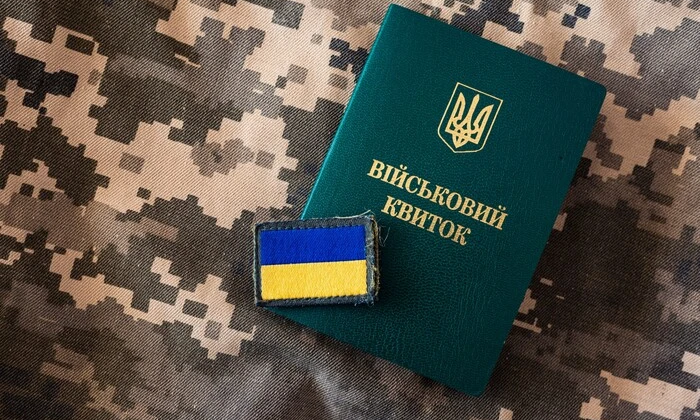
According to glavcom.ua: The Deputy Head of the President's Office of Ukraine, former commander of the 93rd Brigade Pavlo Palisa, stated that even in the event of a ceasefire being established, mobilization in the country will not be halted. He emphasized that the Armed Forces must remain ready to perform their duties even during a temporary cessation of hostilities.
“And despite all desires, we cannot currently release everyone who has been fulfilling their duties since 2022, who is fighting as part of the Defense Forces. Because there must be people to replace them. For the rest of Ukraine to resemble at least what it looks like now,” Palisa explained.
Palisa noted that in the last four months changes in approaches to mobilization have been observed. He was reminded of the ongoing positive dynamics in this process, thanks to the improvement of accounting, notification, and other organizational aspects.
“By the way, I want to note that over the past four months we have observed a stable positive dynamic in terms of mobilization. I think we have drawn conclusions regarding approaches, accounting issues, notifications - there are many aspects. But I see a stable positive dynamic, even though it is not as significant as we would like,” he added.
Terms of service and mobilization
Palisa pointed out that at this moment it is impossible to talk about demobilization due to the lack of sufficient new conscripts. Ukraine mobilizes about 30,000 personnel every month, and the law requires local authorities to address mobilization issues.
The Council supported the extension of martial law and mobilization for 90 days until November 5, 2025. Ukraine also has a general mobilization; citizens aged 18 to 60 can be called up for service without legal grounds for deferment or exclusion from military registration.
Ukraine continues mobilization and supports martial law to ensure the readiness of its Armed Forces even in the event of a temporary ceasefire. Alongside this, the country is observing a gradual improvement in approaches to mobilization and organizational processes, but demobilization is currently not an issue due to a lack of new conscripts.

Read also