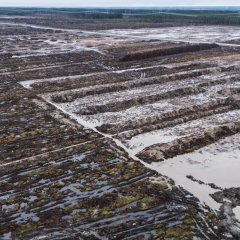
River in Mariupol Turns Murky and Thick After Russian Forces Dump Industrial Waste

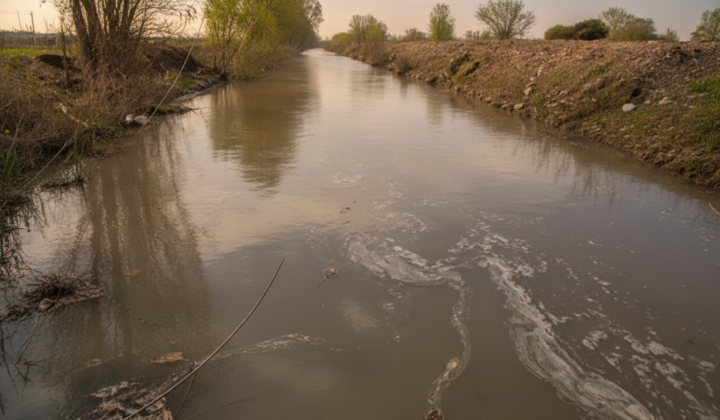
According to Главком: In the occupied city of Mariupol, the Kalchyk River has become heavily polluted. Russian troops have been discharging industrial waste, with a concrete plant built by the occupiers identified as the source. The water has changed in both color and texture, turning cloudy and viscous. This contamination poses a broader environmental threat because the Kalchyk flows into the Kalmius River, which empties into the Sea of Azov.
Environmental Fallout and the Situation in Mariupol
Ecologists are warning of potential consequences, including:
- mass fish die-offs and degradation of river plant life;
- poisoning of coastal waters in the Sea of Azov;
- worsening sanitary and epidemiological conditions within the city itself.
This is not the first instance of environmental destruction caused by Russia in Mariupol. Previously, occupiers caused the Kalchyk to shrink by filling in its riverbed and dismantled the city's wastewater treatment system.
Beyond the pollution, the Russian occupation authorities brought a group of foreign journalists and bloggers from Asia, Africa, and Latin America to Mariupol. One of the tour stops was the Mariupol Drama Theatre, the site of an airstrike in March 2022. Against this backdrop, Andriy Biletsky, commander of the Third Army Corps, stated:
“Ukraine will return Mariupol, and 90% of that process will happen through military means. A favorable historical moment is needed for this.” – Andriy Biletsky
The situation is worsening because the Kalchyk feeds into the Kalmius River, as noted by the Mariupol City Council. The river contamination threatens not only the local ecology but also the health of city residents.
The pollution of the Kalchyk River in Mariupol highlights serious environmental issues that could have far-reaching effects on the region. Ecologists stress the need for urgent measures to prevent further contamination, as the situation could impact public health and entire ecosystems. At the same time, the accompanying information campaign-including the presence of foreign journalists-may be aimed at shaping a certain image among the international community. The military dimension also remains critical, as control over Mariupol continues to be a strategic objective for Ukraine.
The ongoing environmental crisis in Mariupol is compounded by the recent destruction of its historical center. As Russian forces dismantle significant buildings, over 465 structures have already been demolished, further impacting the city's cultural heritage. This alarming trend not only threatens local ecology but also highlights the broader implications of the occupation on Mariupol's future. To learn more about the extent of the destruction in the city, see our detailed report on the demolition of Mariupol's historic center.

Read also