To Evade Ukrainian Strikes, Russian Forces in Crimea Disguise Fuel Trucks as Cargo Vehicles

Fuel Shortages in Crimea
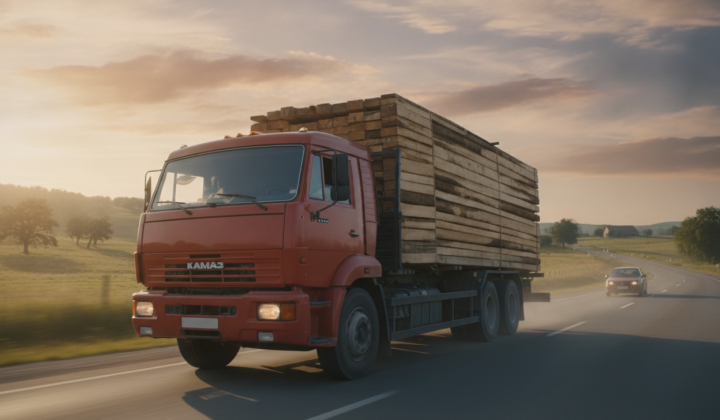
According to Главком: Russian occupation troops in Crimea are resorting to deceptive tactics to conceal military fuel tankers from Ukraine’s Defense Forces. In the city of Kerch, local residents spotted an army refueling vehicle whose tank had been freshly covered with wooden planks. This suggests that the growing shortage of automotive fuel on the peninsula is forcing the occupiers to adopt such tricks.
Ukraine’s military continues to carry out regular, precision strikes on key logistics hubs, which has worsened the fuel deficit across Crimea. The scarcity of gasoline and diesel is no longer limited to the peninsula alone; it has begun to spread into southern regions of the Russian Federation. Residents of Krasnodar Krai and Rostov Oblast are now reporting acute fuel shortages.
The Black Market for Fuel
A black market for fuel has emerged in Crimea, particularly in Simferopol and Yalta. Online classified platforms now offer home delivery of automotive fuel. A liter of AI-95 gasoline on the black market in Crimea costs up to 160 rubles. This price spike highlights the severe difficulties local residents face due to the fuel crisis.
To further complicate detection, the occupiers are modifying their fuel trucks. These disguised vehicles feature unusually thick walls or fresh wooden paneling, and they move like civilian vans, often under guard or as part of military convoys. Telltale signs such as sagging suspension and poor maneuverability indicate the transport of liquid cargo, confirming that they are carrying fuel.
These developments underscore the serious logistical challenges confronting Russian occupiers in Crimea, challenges exacerbated by Ukrainian strikes on their supply routes.
The current fuel supply situation in Crimea is a critical factor in the ongoing conflict, as resource shortages could significantly impact the combat readiness of occupation forces. The rise of the black market reflects intense demand for fuel, which could spark social unrest among a population already suffering economic hardship. In wartime, controlling logistics and resources becomes a vital priority for both sides.
The ongoing fuel crisis has led to innovative solutions in Crimea, as seen in the recent introduction of QR-code sales for gasoline. This development highlights the lengths to which residents and occupiers are going to navigate the severe fuel shortages, further complicating the logistical challenges faced by Russian forces in the region.

Read also