Occupiers in Mariupol Offer Housing That Still Has Living Owners

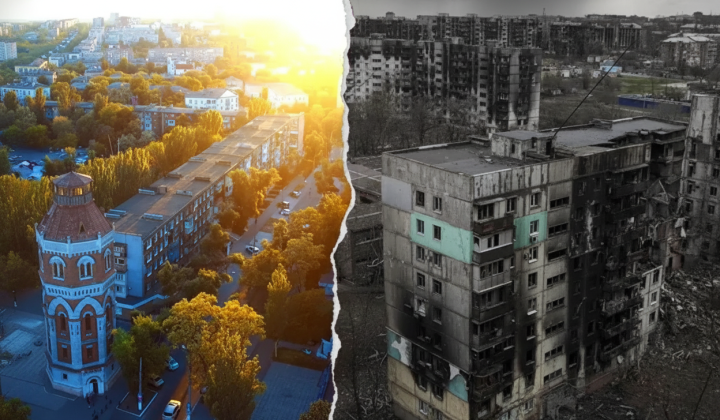
Housing Crisis in Occupied Mariupol
According to Главком: Residents of Mariupol who have waited four years for compensation housing are now being offered either dilapidated buildings or apartments whose original owners are still alive. This has sparked outrage among those left homeless by the conflict. For instance, a woman named Anastasia has been renting an apartment for four years while waiting for a permanent home. During the renovation of a house she was offered, four different contractors have come and gone, dragging out the process indefinitely. Another resident was given a unit in the eastern district of Livoberezhnyi, even though she originally lived in the city center.
Anyone who refuses a housing offer is moved to the back of the waiting list. A second refusal results in a cash payout only-far too little to buy an apartment on the open market. In some cases, apartment owners who never left the city are still waiting for inheritance paperwork to be processed, as happened with one woman who has lived in her home for over 50 years.
Demands from the Occupation Authorities
In early May, the occupation authorities ordered residents to vacate their apartments and hand over the keys within three days. This decision infuriated those who had submitted documents in 2022–2023, as they are now being told their applications were never registered or have been lost. Meanwhile, the occupation administration has been building new homes for Russians through mortgage programs instead of providing compensation housing to locals.
In 2025, Russian President Vladimir Putin signed a law allowing unclaimed properties in annexed territories to be transferred into public ownership. By May 2026, the occupation head of Mariupol had seized nearly 900 apartments that belonged to Mariupol residents who had fled. A similar pattern of property confiscation has been observed in occupied Donetsk.
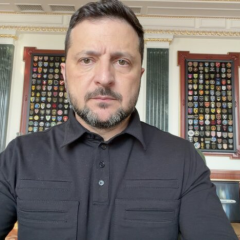
The situation remains dire, as noted by Volodymyr Zelenskyy, and residents continue to search for a way out of this crisis.
The housing situation in occupied Mariupol reflects broader issues surrounding property rights and infrastructure restoration in territories under Russian control.
The actions of the occupation authorities are causing serious concern among the population, as many people remain without adequate housing and face bureaucratic obstacles. These developments could have long-term consequences for social stability and the region's recovery.
The ongoing housing crisis in Mariupol is further exacerbated by the recent mass eviction orders, which have left many residents in a precarious situation. As the occupation authorities continue to seize properties, the plight of those displaced is becoming increasingly dire. For a deeper understanding of the scale of these evictions and their impact on the community, read more about the mass eviction of residents from nearly 900 apartments.

Read also