Orban Personally Ordered Raid on Ukraine's Oschadbank Convoy in Hungary

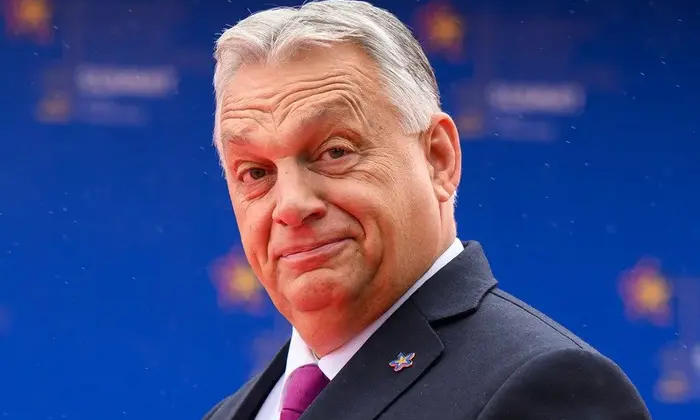
Assault on Oschadbank's Armored Convoy
According to Главком: On March 5, near Budapest, Hungarian security forces detained two armored cash-transport vehicles and seven employees of Ukraine's state-owned Oschadbank. This was not a routine law enforcement action but a premeditated political move personally directed by Hungarian Prime Minister Viktor Orban. The raid was a retaliatory measure against Ukraine's decision to shut down the Druzhba oil pipeline, which had been damaged by Russian strikes. The incident quickly escalated into a diplomatic scandal.
Oschadbank officially reported on March 5 that its personnel, vehicles, and valuables had been seized. The convoy was transporting assets between Raiffeisen Bank in Austria and Oschadbank in Ukraine. Hungarian authorities claimed they suspected money laundering, but an investigation by the Hungarian outlet Telex revealed a different story:
“the government, specifically Viktor Orban, decided that on March 5 a raid should be carried out against the Ukrainian gold convoy, even though from a professional standpoint there was no justification for it”
.
Political Fallout from the Incident
According to the report, the official justification was a mere formality; the operation was driven by political calculations. The State Secretariat was simply following Orban's orders. Fortunately, the Ukrainian guards were released after their detention. On May 6, Hungary returned the seized cash and valuables. This episode highlights the growing friction between Ukraine and Hungary amid the broader geopolitical crisis.
The incident could have lasting consequences for bilateral relations, as it reveals the Hungarian government's willingness to use state force for political leverage in response to Ukraine's actions within the context of the war with Russia. The resulting tensions may hinder future cooperation, particularly in the critical areas of energy and economic policy, which remain vital during Ukraine's ongoing conflict.
This incident is part of a broader pattern of tensions between Hungary and Ukraine, particularly regarding the treatment of Ukrainian nationals. Recently, Hungary reversed its decision on the deportation and entry ban for employees of Oschadbank, which raises questions about the evolving diplomatic landscape. For a deeper understanding of this shift and its implications, see more about the changes in Hungary's stance on Oschadbank personnel.

Read also