Hungary’s Election Shifts the Board: How Orban’s Defeat Reshapes the Stakes for Ukraine


Victor Orban Loses Parliamentary Election: A Landmark Shift
According to ХВИЛЯ: On April 12, Hungary’s parliamentary elections delivered a stunning blow to long-serving Prime Minister Victor Orban, marking a pivotal moment for both the country and Europe. The winner, Peter Magyar, rode a wave of anti-corruption and anti-establishment sentiment to secure the premiership. According to Bulgarian political analyst Ivan Krastev, this outcome carries potentially profound consequences for Ukraine and the broader European landscape.
Orban conceded defeat calmly, a move analysts say underscores the democratic principles now embraced by Europe’s new right-wing movements. Unlike Orban, Magyar is prioritizing domestic quality of life improvements over global political maneuvering. Meanwhile, the victory of a party linked to former Bulgarian President Rumen Radev was fueled by similar anti-corruption rhetoric.
Geopolitical Fallout from Orban’s Downfall
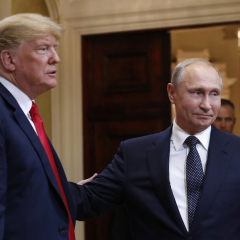
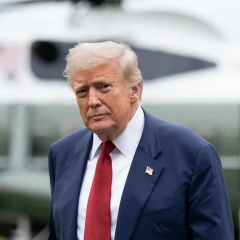
Orban’s loss is being interpreted as the collapse of the illusion surrounding a global Trump-style movement. The power transition in Hungary could trigger a geopolitical earthquake, particularly for the Kremlin. With Orban out of the picture, Moscow may adopt a more aggressive stance, including cyberattacks and pressure on individual EU member states. Krastev also raises the possibility of a major deal between Trump and Moscow, potentially brokered behind Europe’s back.
Liberal politicians in Brussels, Paris, and Berlin view this defeat as the beginning of the end for illiberalism worldwide. However, Krastev argues the situation is more nuanced, with direct implications for Ukraine. The new prime minister, while not a liberal, shares Orban’s vision of a strong, independent Hungary-but without the corruption that marked the previous administration.
During the final stretch of the campaign, Orban sought backing from international figures like U.S. Vice President J.D. Vance and Argentine President Javier Milei. Yet even their support couldn’t secure his victory. Notably, during the election process, Hungary blocked a €90 billion (about $105 billion) aid package for Ukraine. According to the latest reports, Kyiv is now finally set to receive that funding.
“Orban reportedly described Hungary as a 'mouse' ready to serve the Russian 'lion' in a conversation with Putin.”
In essence, Victor Orban’s defeat in Hungary’s parliamentary elections sends a powerful signal not just for domestic politics, but for the entire European political order.
Peter Magyar’s victory may signal a departure from Orban’s populist policies, with far-reaching implications for regional stability. By focusing on anti-corruption reforms and socio-economic improvements, the new government could reshape Hungary’s relationships with neighboring countries and the European Union. This shift may, in turn, affect support for Ukraine in its fight against aggression, as the new prime minister appears more open to cooperation with Kyiv.
The recent election results have not only altered Hungary's political landscape but also set the stage for significant changes in governance style. In a notable shift, the new premier has opted for a simpler lifestyle, reflecting a departure from the previous administration's opulence. This decision may signal a broader commitment to transparency and accountability, which could influence Hungary's relations with both domestic and international stakeholders.

Read also