The 44-Day Window: How Job Orientation Impacts New Employee Retention

Organizing New Hires
According to AIHR: Job orientation, the initial phase of onboarding, is designed to help new employees grasp their role, the work environment, and employer expectations. Research from BambooHR reveals that 70% of new hires decide if a job is a good fit within their first month, with 29% making that judgment within the very first week. This underscores the critical importance of an effective orientation, which can significantly influence long-term employee retention. In today's competitive job market, a strong first impression is more vital than ever.
Standard Orientation and Its Phases
A typical workplace orientation lasts one to three days, though for remote or hybrid employees, this process may be split over two half-days or conducted virtually. According to BambooHR, employers have an average of 44 days to positively influence a new hire's long-term retention. Time spent in orientation is generally paid if attendance is mandatory, in compliance with the Fair Labor Standards Act (FLSA).
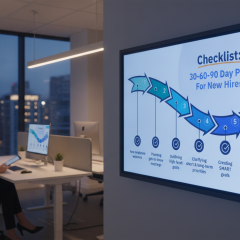
The goal of orientation is to clarify the new employee's role and responsibilities, set expectations, explain company policies and workplace rules, and assist with necessary paperwork. Key stages include preparation before the first day, the orientation day itself, and follow-up communication afterward. Essential steps in the orientation process involve:
- preparing all required documents and equipment,
- introducing the new employee to the team and key contacts,
- providing access to systems and technology.
Both new employees and organizations benefit from effective job orientation. New hires gain a better understanding of the organization, build initial connections, have clear expectations for their duties, and feel more confident from day one. For the organization, orientation is an opportunity to better acquaint themselves with the new hire, improve staff retention, accelerate productivity, and ensure better compliance with administrative requirements.
Understanding the distinction between orientation and onboarding is also crucial. Orientation focuses on welcoming, setup, policy, and basic role clarity, while onboarding involves integrating the employee and helping them become productive. The onboarding process can last from three to six months, sometimes up to a year.
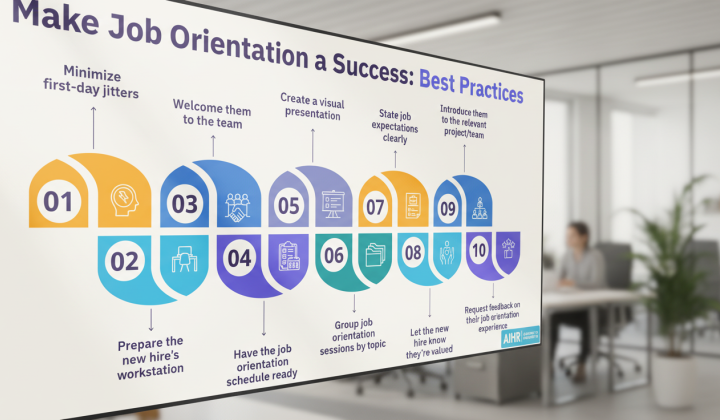
Human Resources can enhance the orientation process by combining clear communication, practical support, and a structured first-day experience. Best practices include minimizing first-day anxiety, preparing the new employee's workspace, welcoming them to the team, and clearly outlining job expectations. It is also important to solicit feedback on the orientation experience to continually refine the process.
An effective job orientation is a vital component of HR strategy, as it directly impacts employee satisfaction and subsequent productivity. A proper approach to this process can help reduce staff turnover and boost overall organizational efficiency. Companies that invest in quality onboarding are better positioned to attract and retain talented professionals.
To enhance the onboarding experience even before the official start date, organizations can implement strategies that effectively integrate new hires. This proactive approach not only helps in building connections but also aligns expectations, setting the stage for a smoother transition into the workplace. Discover more about these essential steps to engage new employees prior to their first day, ensuring they feel welcomed and prepared.

Read also