Strait of Hormuz Blockade Threatens Global Oil, Gas, and Fertilizer Prices

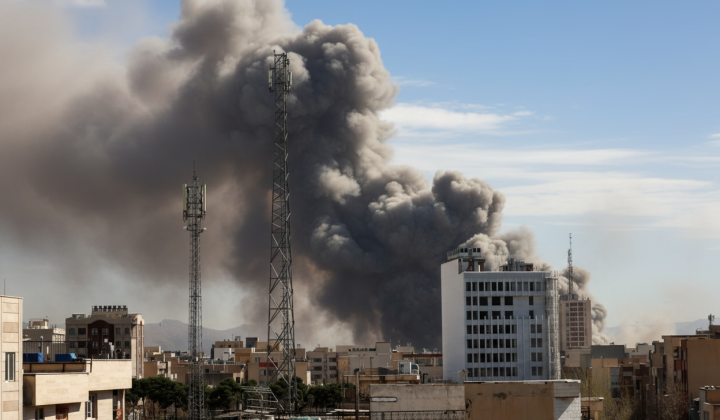
Military Escalation Near Iran Triggers Major Economic Fallout
According to ХВИЛЯ: The military escalation around Iran is having significant economic consequences, chief among them the threat of a blockade of the Strait of Hormuz. This narrow sea passage between the Persian Gulf and the Gulf of Oman is a vital artery for global energy supplies. Approximately 20% of the world's seaborne oil and liquefied natural gas transits through the strait daily, meaning any disruption there can severely impact the global market. The strategic importance of this waterway makes it a perennial flashpoint in global energy security.
Spiking Oil and Gas Prices
Amid the rising tensions, oil prices have continued to climb. The price of Brent crude, which stood at $66 per barrel in early February, has now reached $82. This price surge has been accompanied by a dramatic 94% increase in freight rates for large crude oil tankers recorded between Friday and Monday. In response to the threats, OPEC countries have increased their daily oil output by more than 200,000 barrels.
European gas prices have also seen a sharp rise, increasing by roughly 80% over a single week. This spike is driven not only by higher oil prices but also by concerns over fertilizer supplies, as the region is a critical transit route for approximately:
- 44% of global sulfur supplies;
- 31% of urea;
- 18% of ammonia;
- 15% of phosphates.
'Damage to global production could tip the scales of the global oil market toward a supply deficit.' - Noah Barrett, Janus Henderson
The situation is also disrupting container shipping. Danish company Maersk has announced it is suspending vessel transit through the Strait of Hormuz and rerouting shipments around the Cape of Good Hope. Similarly, Mediterranean Shipping Company has halted new bookings for cargo to all Middle Eastern countries. Peter Tirschwell, Vice President at S&P Global Market Intelligence, noted:
'The idea that this year would be calmer, that freight rates would stabilize, that supply chains would begin to normalize, that ships would return via Suez-all of that is now completely off the table.' - Peter Tirschwell, S&P Global Market Intelligence
The crisis in the Strait of Hormuz underscores the vulnerability of global supply chains to geopolitical risks. Given the region's pivotal role in the world energy market, these events could lead to prolonged economic consequences affecting not only neighboring nations but global markets as a whole. Businesses must prepare to adapt to shifting demand and ongoing price instability for key resources.

Read also