Poisonous Snakes Often Display More Red Coloring, Yet Many Remain Hard to Detect, Scientists Explain Aposematism

Insights Into Snake Coloration Patterns
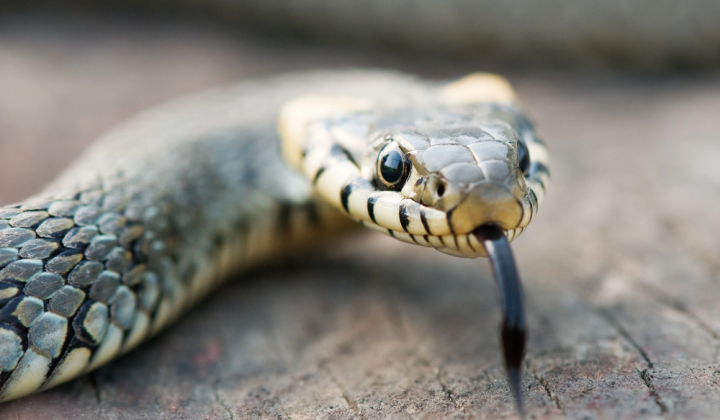
According to Radiotrek — Світ: Researchers from the University of Galway examined the color patterns of 458 snake species, uncovering that venomous snakes generally exhibit a higher presence of red hues. This vivid coloring likely serves as a warning signal to potential predators, a defensive strategy known as aposematism, which is also found in poisonous frogs and salamanders. Bright colors in animals frequently indicate danger, but not all venomous snakes rely on such conspicuous markings; some use camouflage to blend into their surroundings, making them harder to spot.
Exercise Caution When Encountering Snakes
Scientists emphasize the importance of maintaining a safe distance from wild snakes, as even those with subdued or cryptic coloration can pose a threat. Relying solely on color to judge a snake’s venomous nature can be misleading and unsafe. Therefore, regardless of their appearance, it is advisable to avoid close contact with any wild snake.
This University of Galway study highlights the crucial role of color signaling in wildlife, shedding light on how understanding these signals supports both ecosystem conservation and human safety. Being informed about which snakes are venomous not only helps prevent dangerous encounters but also fosters greater awareness of biodiversity and its protection. Such knowledge is particularly valuable for travelers, nature enthusiasts, and residents in regions inhabited by snakes.

Read also