How a 10-Point Plan from Pakistan Averted a Nuclear Crisis Between the U.S. and Iran

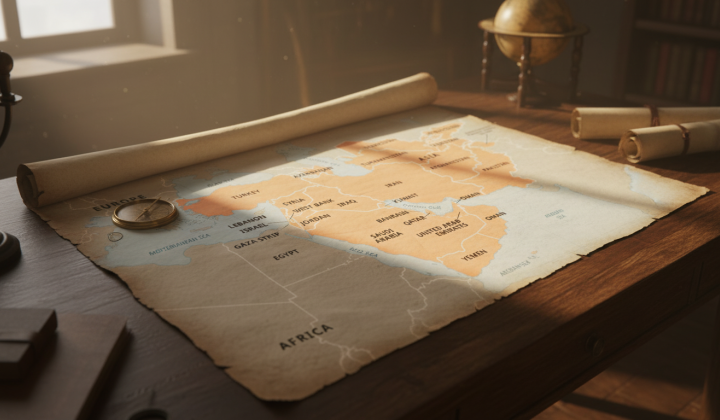
Pakistan's Role as Mediator in the U.S.-Iran Crisis
According to ХВИЛЯ: As tensions escalated between the United States and Iran, marked by threats to deploy tactical nuclear weapons and to close the Strait of Hormuz, Pakistan stepped in to mediate the crisis. The country proposed a ten-point formula for peaceful resolution, which ultimately led the U.S. to announce it would keep the strait open and Iran to commit to limits on uranium enrichment. This intervention highlights the critical, yet often overlooked, diplomatic role regional powers can play in global standoffs.
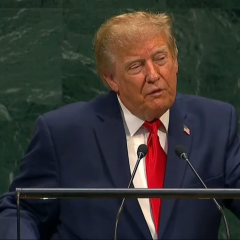
The heightened rhetoric occurred specifically between Washington and Tehran, with the Pentagon seriously debating the use of tactical nuclear weapons against Iran. In this volatile context, Pakistan, as the nearest nuclear-armed state, played a pivotal role.
'I believe the Pentagon was seriously discussing the use of tactical nuclear weapons against Iran. But here, of course, the club of nuclear states, nine of them, and the closest one, Pakistan, played a role.' - Mohammad Farajallah
The Pakistani initiative contained crucial conditions for both sides. Iran pledged not to enrich uranium and agreed to the covert transfer of already enriched uranium. In return, Iran was to receive a relaxation of sanctions that had been in place since the 1980s, which would represent a significant victory for Tehran.
'The main ones-that is, there was something for Iran. Of course, Iran should get a relaxation of some sanctions that have been in place since the eighties. And therefore, this would be a victory for Iran.' - Mohammad Farajallah
Opening New Avenues for Dialogue
Furthermore, Iran also agreed to collective management of the Strait of Hormuz, a strategically vital waterway for global trade. Thus, Pakistan's ten-point initiative opens new possibilities for dialogue between the U.S. and Iran, offering hope for reduced regional tensions.
This situation underscores the vital importance of diplomacy during periods of international strain. By acting as an intermediary, Pakistan not only sought to stabilize relations between nuclear powers but also demonstrated its active role in global geopolitical issues. The ten-point plan could serve as a foundation for future negotiations aimed at de-escalating conflict risks in the region, which is crucial for international security and the global economy.
In light of Pakistan's significant diplomatic intervention, the ongoing discussions between the U.S. and Iran continue to evolve, especially as military actions persist. As tensions remain high and negotiations unfold without Israel's involvement, it is crucial to understand the broader implications of these talks. For more insights on the current state of U.S.-Iran relations and the impact of military strategies, read about the continuing strikes on Tehran.

Read also