Fuel Crisis in Russia Drives Potato and Onion Prices Up by 27%

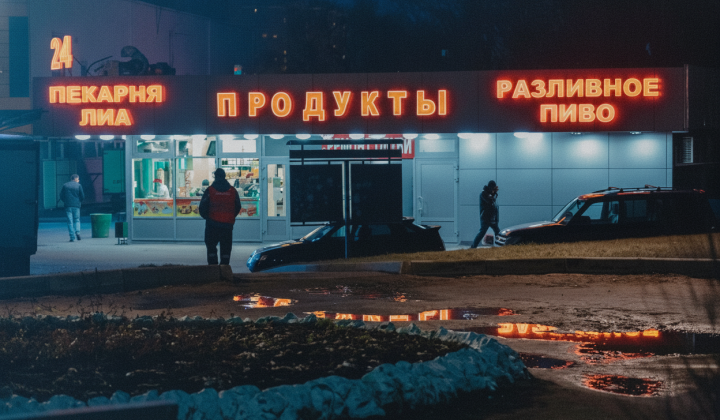
Russia's Fuel Crisis
According to Главком: Russia is grappling with a severe fuel crisis that has sent both gasoline and food prices soaring. According to Rosstat, between late May and July 6, 2023, the cost of key vegetables like potatoes and onions surged by 27.7%. Cabbage prices climbed 18.8%, beets rose 17.2%, and carrots increased by 13.1%. This spike has also driven up the prices of staple goods such as meat, fish, vegetables, dairy products, and fruit.
Rising fuel prices now pose the biggest threat to inflation in Russia. Over the same period, gasoline went up by 8.9% and diesel by 10.5%. Annual fuel inflation is nearing 20%, a record not seen in over 15 years. Vladimir Chernov warns that such rapid fuel price hikes present a serious challenge to the nation's economy. If gasoline continues to climb at this pace, it will increase logistics and agricultural production costs, ultimately pushing consumer prices even higher, adds Yevgeny Kogan.
Impact on the Consumer Market
Vegetables are seeing the fastest price increases, confirming recent shifts in fruit and vegetable pricing trends after an unusually strong spring decline, notes Elvira Nabiullina. Holidays on the Black Sea coast have become 7.5% more expensive, while trips to Southeast Asia rose by 8.8%. Chicken prices went up by 6.1%, sugar by 2.9%, and apples by 2%. Notably, four out of ten medications in the weekly consumer basket saw price hikes of 1% to 2.3%.
The effects of the fuel crisis extend beyond Russia's borders. Tajikistan has reported that its current petroleum product reserves will last only about two months. According to a FOM survey from early July, 49% of respondents expect prices to keep rising. Vladislav Inozemtsev points out that producers and retailers are already factoring higher logistics costs into product prices, a trend now visible across the market.
In short, Russia's fuel crisis continues to reshape the country's pricing landscape, fueling concern among both the public and experts.
The ongoing fuel crisis in Russia could have long-lasting repercussions for the consumer market, as sustained fuel price increases affect not only end consumers but also manufacturers forced to raise their own prices. With high inflation and a rising cost of living, households are seeing their purchasing power shrink, which could lead to social tension and protests. The crisis may also deepen Russia's reliance on imported food and energy resources, further undermining the country's economic stability.
The ongoing fuel crisis in Russia is not only affecting food prices but also has significant implications for the energy sector. Recent reports indicate a dramatic drop in gasoline production, with output now at just 65% of demand. This situation raises concerns about the sustainability of fuel supplies and could exacerbate the already challenging economic landscape. For a deeper understanding of how these developments are intertwined, read more about the impact of drone strikes on gasoline production.

Read also