Armenia’s EU Membership Remains a Theoretical Idea, Says Pashinyan

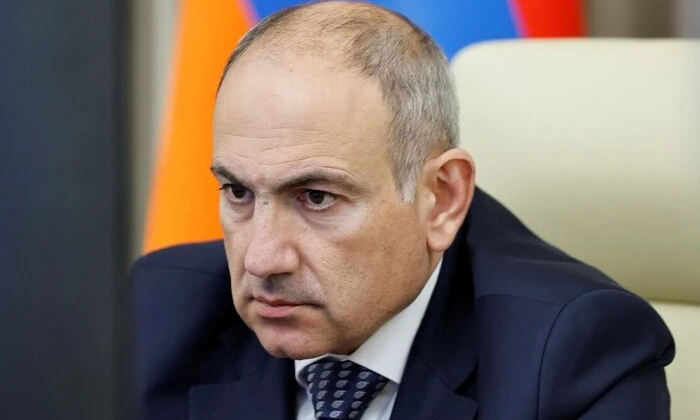
Statement from Armenia’s Prime Minister
According to Главком: Prime Minister Nikol Pashinyan of Armenia has described the country’s potential membership in the European Union (EU) as purely theoretical at this stage. He emphasized that Armenia will continue its engagement within the Eurasian Economic Union (EAEU) until a definitive choice between the EU and the EAEU becomes unavoidable. According to Pashinyan, any decision on this matter must ultimately be made by the Armenian people through a national referendum.
The Prime Minister noted that there are currently no grounds to hold a referendum on choosing an integration path.
‘As long as Armenia has not officially submitted an application for EU membership or moved closer to candidate status, it would be illogical to conduct any referendum,’ he stated.
Pashinyan added, ‘Today, this choice is purely theoretical, and putting a theoretical decision to a referendum is neither reasonable nor justified, and lacks any foundation.’
He also assured that Armenia will continue its work within the EAEU calmly and without conflict, saying:
‘Therefore, we will proceed calmly, peacefully, without tension or disputes within the Eurasian Economic Union, and I am confident that we still have untapped potential in this direction, which we will utilize in the near future.’
U.S. Support
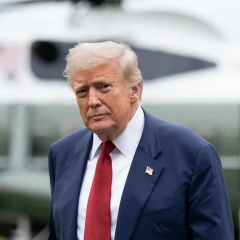
Pashinyan also received backing from U.S. President Donald Trump, who referred to him as a ‘great friend and outstanding leader.’ This endorsement came ahead of Armenia’s parliamentary elections scheduled for June 7. Joining the EU would only become possible once European integration moves into a practical phase, but for now, the country remains committed to its role within the EAEU.
Pashinyan’s remarks highlight the complexity of Armenia’s foreign policy, as it navigates between aspirations for EU integration and obligations to the EAEU. Against the backdrop of recent political shifts in the region, U.S. support could also play a significant role in shaping Armenia’s domestic and foreign policy. The upcoming June 7 elections may influence the country’s future strategy regarding external integration and internal stability.
While Pashinyan's comments underscore the current theoretical nature of Armenia's EU aspirations, the recent agreements signed at a historic summit reflect a growing desire for European integration. These developments may influence the future direction of Armenia's foreign policy and its relationship with the EAEU.

Read also