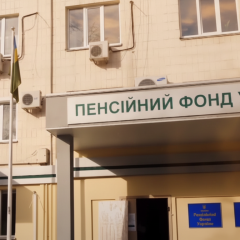
Easier Pension Payments for Seniors in Occupied Territories: New Rules from Ukraine's Pension Fund


Pension Payments for Residents of Temporarily Occupied Areas
According to Пенсії (RSS): Under Ukrainian law, individuals living in or having left temporarily occupied territories can receive pensions, provided they do not collect payments from Russian pension authorities. This means that retirees currently in occupied zones or those who have returned to government-controlled areas must submit a declaration confirming they are not receiving any pension funds from Russia.
How to Submit the Declaration
According to Paragraph 14-4 of the Final Provisions of Ukraine's Law on Compulsory State Pension Insurance, the statement about not receiving Russian pension payments must be included in the application for pension assignment, recalculation, renewal, or extension. If this declaration has already been made previously, there is no need to inform the Pension Fund of Ukraine (PFU) again. A new notification is only required if circumstances change-for instance, if the pensioner starts receiving payments from Russian pension bodies.
For those seeking guidance on how to file the declaration, a video tutorial is available on the PFU's web portal for electronic services.
This initiative aims to protect the social welfare of retirees facing hardships due to military conflict and occupation. It is crucial for individuals to understand their rights and options, as timely document submission can significantly impact their financial stability. Given the ongoing political challenges, such state support is vital for many Ukrainians navigating these difficult circumstances.
As the situation evolves, it is essential for retirees to stay informed about potential changes affecting their pensions. Recent reports indicate that many pensioners may experience payment reductions due to strict reporting requirements. To understand how these new regulations could impact financial support for seniors, read more about the implications of the 10-day reporting rule.

Read also