Imperial Villa Discovered Near Rome After Looters’ Arrest Halts Illegal Dig

Archaeological Villa Unearthed on Rome’s Outskirts
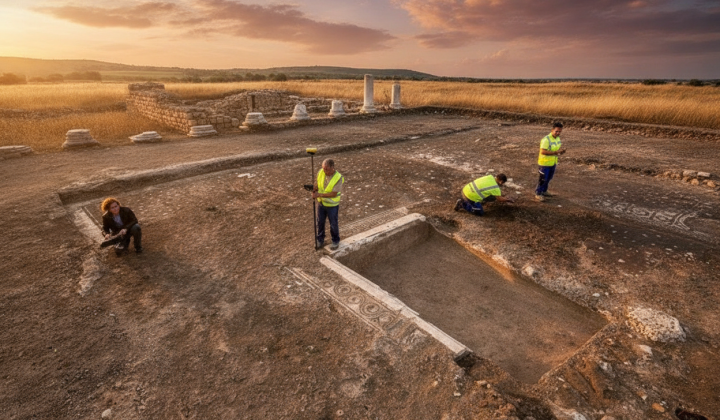
According to Главком: Archaeologists have uncovered a Roman-era country villa on the outskirts of Rome following the detention of illegal excavators. Located in the Castel di Guido area, the villa sits within the ancient settlement of Lorium, a site historically tied to the imperial court. The discovery was made possible after law enforcement intervened on February 16, stopping unauthorized digging on state-owned land in the Lazio region. The looters had used heavy machinery, digging deep trenches that damaged ancient structures. Following their arrest, carabinieri secured the area, and emergency archaeological investigations began under the direction of archaeologist Alessia Continò.
Excavations and Findings
The dig revealed the remains of a large villa combining residential and agricultural spaces. Archaeologists cleared a grand atrium with a rainwater collection pool. Surrounding the atrium were rooms featuring mosaic floors made of black and colored marble. Fragments of wall paintings survived, with lower sections painted red and upper tiers decorated in yellow and blue panels depicting human figures.
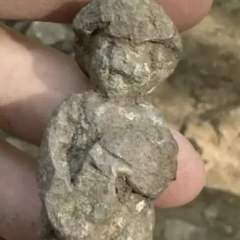
A production area on the site included a tank for storing or processing agricultural goods. A particularly notable find was a marble statue roughly 80 centimeters tall, portraying a bearded man holding a basket of fruit alongside animals. Experts suggest the sculpture may represent the ancient Roman god Silvanus. Preliminary estimates date the villa’s construction to the first half of the 1st century AD, with its decline occurring in the 3rd century.
Lorium, where the villa is located, held significance in Roman times as the place where Emperor Antoninus Pius spent his youth, and where emperors Hadrian and Marcus Aurelius also visited. Archaeologists continue their research, refining the site’s dating and hoping to uncover more details about this historically important complex.
This discovery underscores the critical need to protect archaeological sites from illegal excavations, which can cause irreversible damage to cultural heritage.
The villa not only expands knowledge of life in the Roman Empire but also demonstrates how modern technology and law enforcement can help preserve history. Ongoing archaeological work in this region may lead to further finds that deepen our understanding of Rome’s past.
This recent discovery adds to the growing number of significant archaeological finds in the region, including another notable site where a Roman villa was uncovered unexpectedly beneath a school gym. Such revelations highlight the importance of preserving historical locations and the ongoing efforts of activists and archaeologists alike. To learn more about this intriguing find, visit the uncovering of an ancient Roman villa by student activists.

Read also