Analyst Questions Israel's Iran Strategy: Why Netanyahu Avoids Regime Change

Deciphering Netanyahu's Statements on Iran
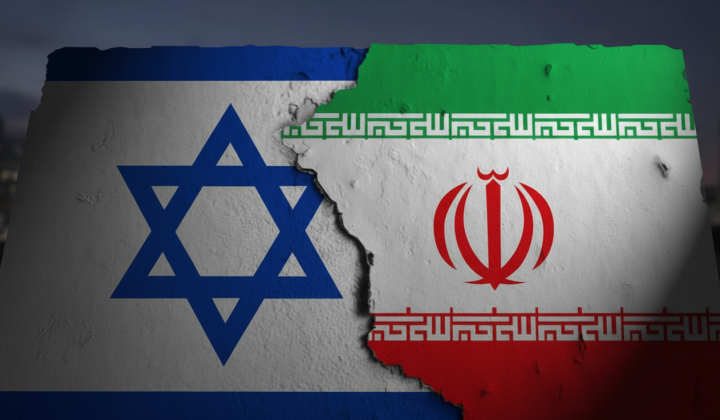
According to ХВИЛЯ: Polish analyst Piotr Kulpa, appearing on political commentator Yuriy Romanenko's program, dissected recent remarks by Israeli Prime Minister Benjamin Netanyahu concerning Iran. Kulpa pointed to logical inconsistencies in Israel's strategic approach, which he argues is aimed at weakening, not destroying, the ayatollahs' regime.
Netanyahu has spoken about the potential for alternative oil and gas pipelines to be routed across the Arabian Peninsula to Israeli ports, bypassing the Strait of Hormuz. Kulpa noted that the Prime Minister's strategy appears to depend on the regime's survival, stating:
“He says he does not want the ayatollahs' regime destroyed because if it were, then the pipelines would not run through Israel.” - Piotr Kulpa
The Inherent Risks of Israel's Strategic Calculus
According to the analyst, Netanyahu's goal is to preserve the Iranian regime, but in a weakened state. 'Preserving the ayatollahs is his goal-weakened ones,' Kulpa emphasized. However, he also stressed that even a weakened regime remains capable of aggressive acts, noting:
“Weakened ayatollahs will still be able to kill, and shoot, and sabotage these pipelines.” - Piotr Kulpa
Consequently, Israel's position on Iran remains complex and contradictory. In pursuit of its strategic energy and security objectives, the Prime Minister seeks not to topple the existing government but merely to diminish its power, a stance that introduces significant risks to his own plans. This delicate balancing act reflects the broader geopolitical tensions in the Middle East, where regional powers often seek to manage rivals rather than eliminate them entirely.
It is important to note that an Israeli strategy focused on weakening Iran without pursuing its destruction could create new geopolitical challenges in the region. Maintaining the ayatollahs in a debilitated state might fuel instability, as such regimes can resort to external aggression to divert attention from domestic crises. This underscores the need for careful monitoring of the situation and its potential security implications, not only for Israel but for neighboring states as well.
Understanding Israel's nuanced approach to Iran is crucial, especially in light of ongoing tensions with the U.S. The complexities of Netanyahu's strategy highlight a desire to maintain a balance of power rather than a straightforward adversarial stance. For a deeper analysis of how these dynamics play out in the context of U.S.-Israeli relations, read more about Tel Aviv's position amid rising tensions.

Read also