Poltava Imposes Ban on Russian Cultural Goods

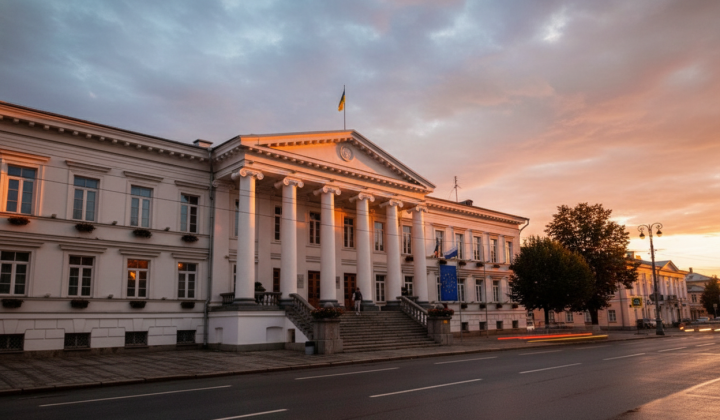
Poltava Bans Russian-Language Cultural Products in Public Spaces
According to Главком: The Poltava City Council has voted to prohibit the public use of Russian-language cultural products within the community. This measure applies to various sectors, including public transport, food service establishments, cultural venues, and retail businesses. The goal is to shield Ukraine’s information space from hybrid threats posed by the aggressor state, which seeks to undermine national identity, cultural heritage, traditions, customs, and historical memory.
Scope of the Ban
The restrictions cover public transportation, specifically:
- Buses
- Route taxis
- Trolleybuses
The prohibition also extends to food service establishments such as:
- Restaurants
- Cafés
- Bars
Additionally, cultural institutions are included:
- Theaters
- Cinemas
- Clubs
The same ban applies to retail spaces, shops, markets, and other public or community areas.
Various cultural products are affected by the prohibition, including:
- Musical works (songs and background music)
- Books, brochures, and other printed materials
- Films, TV series, and videos
- Theatrical performances and shows
- Concert programs and live acts
- Various cultural and educational events
In 2025, Ukraine intensified enforcement of its language laws, leading to a 32% increase in state inspections and a 63% rise in initiated cases. Authorities issued 706 administrative rulings, with 404 resulting in warnings and 95 in fines. According to the ombudsperson, 2,888 complaints were filed in 2025, 49.4% of which concerned the service sector. The highest number of complaints came from Kyiv, Odesa, Kharkiv, and Dnipropetrovsk regions.
Poltava’s moratorium on Russian-language cultural products reflects a nationwide push to strengthen national identity and counter foreign information influence. This decision could serve as a model for other Ukrainian regions seeking to protect their cultural landscape. Meanwhile, tighter enforcement of language regulations underscores the growing importance of cultural policy in addressing today’s challenges.
The recent ban in Poltava on Russian-language cultural products is part of a broader trend observed across Ukraine. As the country intensifies its efforts to enforce language laws, the statistics reveal a significant increase in cases related to language compliance. This surge in enforcement not only highlights the urgency of protecting national identity but also showcases how various regions are responding to similar challenges. To understand the full scope of these measures and their implications, you can read more about the increase in language enforcement across Ukraine.

Read also