Bulgaria's Prime Minister Explains His Opposition to a Tribunal for Putin

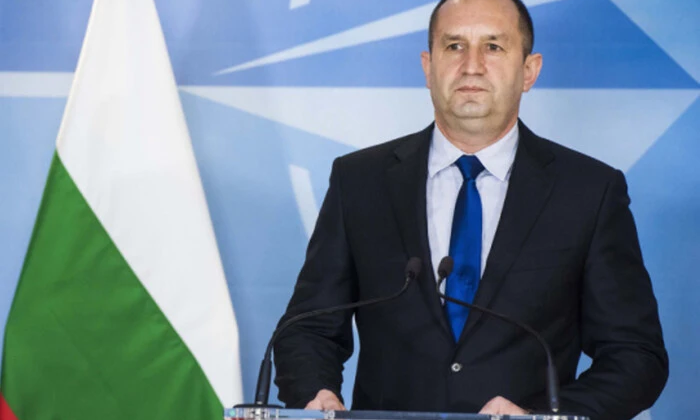
Bulgaria's Stance on the Special Tribunal
According to Главком: Bulgarian Prime Minister Rumen Radev has clarified why his country did not join the initiative to establish a Special Tribunal for the crime of Russian aggression against Ukraine. In his view, such a mechanism would only be effective if Russia is defeated and President Vladimir Putin is physically captured. Radev shared his perspective, stating:
“A tribunal of this kind only works when a country is defeated, surrenders, and its leader is taken prisoner. I believe these conditions do not currently exist and are unlikely to arise in the near future.”
On May 16, Bulgarian opposition parties criticized the government for the nation's absence from the list of signatories to the initiative. During his tenure as Bulgaria's president, Radev opposed sending military equipment to Kyiv and other forms of assistance. After being appointed prime minister, he also called for negotiations between Ukraine and Russia, emphasizing the need for diplomacy in a war that, in his words, “drains all countries involved in or supporting it.”
Euroscepticism and International Justice
Additionally, Radev advocated for a dose of Euroscepticism within the European Union, noting that “it is high time Europe started operating from a position of common sense, with a realistic assessment of what is happening in Europe.” He also commented on the appointment of Ivo Hristov as head of the interagency commission preparing Bulgaria for Eurovision 2027.
The Special Tribunal for the crime of Russian aggression against Ukraine will be based in The Hague, and the European Commission has already approved a proposal to begin the process of the EU joining the tribunal's founding members. This decision underscores the importance of international justice in the context of modern geopolitical challenges.
Bulgaria's refusal to join the initiative to create the Special Tribunal highlights the complex political landscape within the country, where divergent views on foreign policy exist, particularly regarding the war in Ukraine. Prime Minister Radev's decision reflects his push for a diplomatic resolution to the conflict, which may be seen as an attempt to maintain Bulgaria's neutrality in this difficult situation. It also points to potential disagreements between the government and the opposition, which could shape the country's future policy within the European Union.
Bulgaria's complex relationship with Ukraine continues to evolve, as evidenced by the recent calls from the Revival Party to reconsider security agreements. This development highlights the ongoing debate within the country regarding its foreign policy stance and the implications for regional stability, particularly in light of Prime Minister Radev's recent comments on international justice and military support.

Read also