Finnish President Stubb Proposes a Security-for-Aid Deal Between Europe and the U.S.

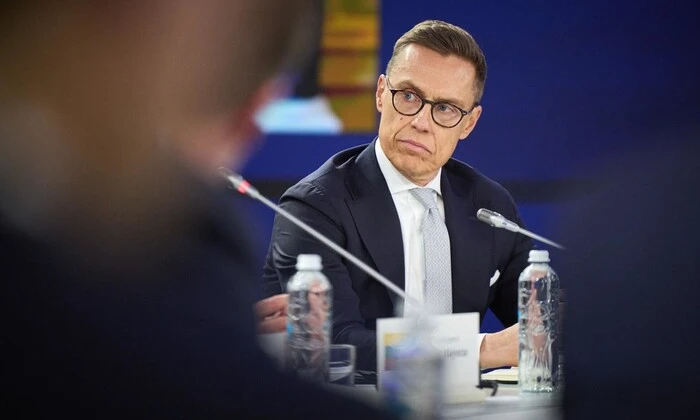
Finnish President's Proposal
According to Главком: In a speech at London's Chatham House think tank, Finnish President Alexander Stubb outlined a strategic compromise. He suggested that Europe should assume responsibility for securing maritime navigation in the Strait of Hormuz. In exchange, the United States would provide the resources necessary for Ukraine to achieve peace with Russia. Stubb described this as
"a very good proposal to trade European military assistance in the Persian Gulf for security guarantees for Ukraine."
He also expressed concern that Europe must be prepared to support Ukraine independently should U.S. diplomatic efforts fail.
Mounting Tensions
Stubb's address comes amid rising international tensions, notably due to aggressive Russian rhetoric toward Finland, which escalated in 2025. Potential reasons for this include:
- Finland's support for Ukraine;
- its deepening cooperation with NATO.
Moscow has already reacted to Stubb's statements, signaling its displeasure.
The situation in the Persian Gulf also impacts the conflict in Ukraine. The U.S. military engagement against Iran is diverting interceptor missiles that are critically needed for Ukrainian air defense. Furthermore, the blockade of the Strait of Hormuz has driven up global oil prices, which could have far-reaching economic consequences.
Stubb has consistently emphasized Ukraine's sovereignty, placing responsibility for the war squarely on Russia. Concurrently, the Middle East conflict may hinder Russia's military collaboration with Iran, a factor that also shapes the international landscape. This complex situation means Stubb's proposal could become a significant step in seeking pathways to regional peace.
The Finnish president's initiative may prove pivotal for the future of international policy concerning security in Ukraine and the Middle East. Given the heightened regional tensions, strategic partnership between Europe and the U.S. is more crucial than ever for ensuring stability. However, Russia's reaction indicates that tensions are likely to persist, with potential implications for all parties involved in global affairs.
As Stubb emphasizes the importance of Ukraine's sovereignty in light of rising tensions, it's essential to recognize how the ongoing Middle East conflict may affect military alliances between Russia and Iran. This dynamic could further complicate the geopolitical landscape and influence Europe's security strategy.

Read also