Lithuanian President Warns NATO Faces Risk of Internal Division

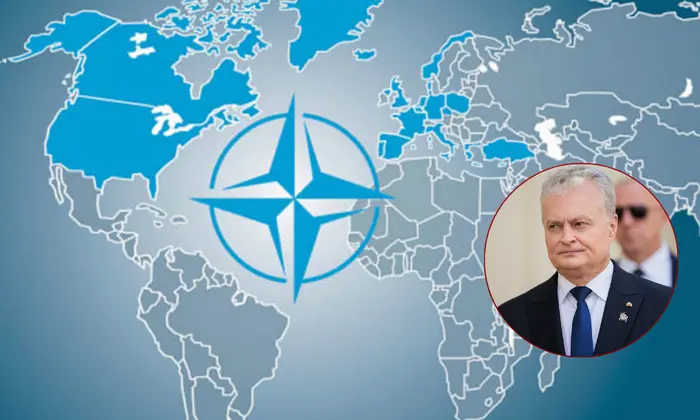
Lithuanian President Raises Alarm Over NATO Defense Spending Goals
According to Главком: Speaking at a joint press conference in Berlin alongside the leaders of Latvia, Estonia, and German Chancellor Friedrich Merz, Lithuanian President Gitanas Nausėda voiced concerns that NATO could fracture if member states fail to meet the target of allocating 5% of GDP to defense. He described it as 'highly problematic' if some nations achieve that benchmark within a few years while others remain stuck at 2% or 2.5%.
Current Defense Spending Landscape
Lithuania already exceeds the proposed threshold, spending nearly 7% of its GDP on defense and security-5.38% on core military expenses and an additional 1.5% on infrastructure and dual-use projects. Meanwhile, Latvian Prime Minister Andris Kulbergs announced that his country has nearly reached the 5% GDP mark for defense and has enshrined that level in law. He stressed that nations bordering Russia must invest more, stating:
'If we do not spend 5%, especially we-countries that share a border with Russia-must honestly say: we will have to spend far more if Russia decides to attack.' - Andris Kulbergs
Germany has also confirmed its commitment to boosting defense spending. Chancellor Friedrich Merz revealed that Berlin plans to reach 5% of GDP on defense by 2029, effectively doubling its defense budget over the next four years. He called this effort 'the largest we have ever undertaken to strengthen our defense capabilities.'
The NATO summit to discuss defense spending is scheduled for July 7-8 in Ankara. At the previous summit in The Hague, NATO allies-except Spain-agreed to raise defense expenditures to 5% of GDP by 2035. Spain reportedly negotiated a lower target of 2.1% of GDP. Nausėda has also initiated constitutional changes in Lithuania to facilitate more active participation in NATO's nuclear deterrence framework, underscoring the importance of strengthening each member state's defense industry.
This situation highlights the growing security concerns of the Baltic states and their neighbors amid the threat from Russia. Defense spending remains a top priority for countries bordering potentially aggressive adversaries, and this dynamic could shape broader NATO policy. The upcoming summit in Ankara is expected to be a pivotal moment for defining the alliance's future and its ability to address modern security challenges.
As NATO members grapple with defense spending targets, it's noteworthy that Lithuania has become the first NATO country to exceed the 5% GDP benchmark. This achievement underscores the urgency and commitment of nations in the region to bolster their defense capabilities amid rising geopolitical tensions, particularly with Russia. Such investments might serve as a crucial example for other member states striving to meet NATO's expectations.

Read also