Remittances: what they are, how they work, and what services banks and payment systems provide


Remittances are an important financial instrument of the modern economy that allows money to be transferred between countries and various financial institutions. This mechanism is actively used by both individuals and businesses to ensure financial stability and quick money exchange at the international level.
Thanks to the development of banking technologies and payment systems, the remittance process has become convenient, secure, and accessible even for users without experience in international financial operations. In the modern world, it is hard to imagine a global market without reliable and fast money transfer mechanisms, and it is remittances that serve as a key element of this system.
What are remittances?

It is worth starting with a somewhat theoretical perspective: remittances are the process of transferring money or other financial assets from one individual to another, often across borders. Most commonly, such transfers are made by workers who are employed abroad for the benefit of their families or companies that pay for goods or services to international partners. The main essence of remittances lies in the fact that funds are transferred through official financial channels, guaranteeing security and legal purity of the transaction. Banks and payment systems ensure transaction verification, fraud protection, and quick crediting of funds to the recipient, regardless of which country they are in.
The purpose of remittances
Of course, such a process must have a purpose. The main purpose of remittances is to provide financial support to recipients of funds and create a convenient way to move money at the international level. For individuals, this primarily means the opportunity to support their families or pay for education, healthcare, and daily needs. For businesses, remittances serve as a means of settling accounts with partners, suppliers, and contractors in different countries, ensuring the stability of business processes and timely fulfillment of financial obligations. Additionally, remittances allow avoiding risks associated with black market currency exchange and contribute to the transparency of financial operations.
Types of remittances
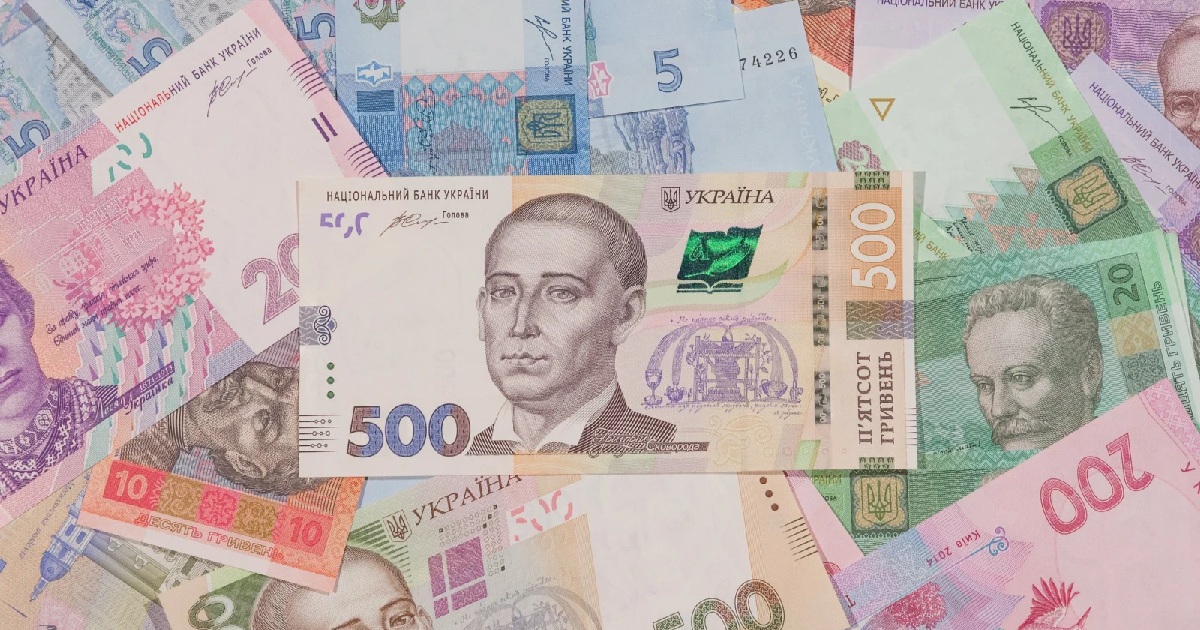
There are several types of remittances, which differ in the method of transfer and channels for transferring funds. The first type is bank remittances, where money is transferred through official bank accounts. The second type is through specialized payment systems and transfer services, such as international companies operating in the field of quick money transfers. There is also electronic remittance, where funds are transferred using online banking or mobile applications, making the process quick and accessible even for users in remote regions. Each type has its own advantages, funds crediting times, and commission fees, allowing sender and recipient to choose the optimal method depending on their needs.
The remittance process
The remittance process involves several key stages that ensure the security and control of money transfers. First, the sender provides the financial institution with information about the transfer amount, recipient's details, and the currency in which the transaction will be conducted. Next, the bank or payment system verifies the data accuracy, performs currency conversion if necessary, and ensures the transfer of funds through domestic or international channels. The recipient receives a notification about the received remittance and can withdraw or transfer the money to their account. The entire process is monitored by financial regulators, ensuring the legality of transactions and protecting customer rights.
Remitter and receiving bank
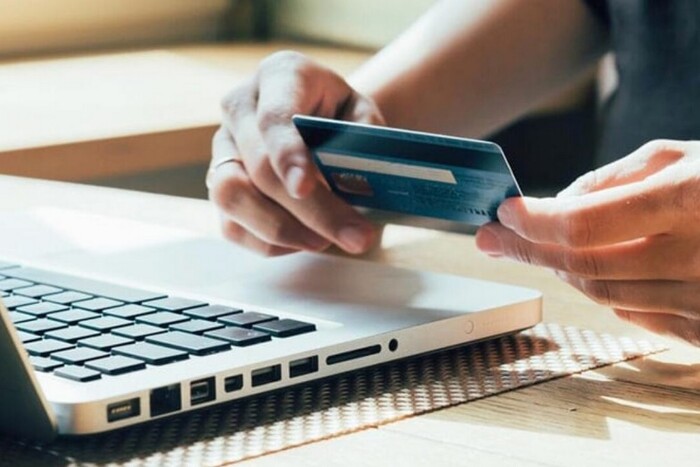
A remitter is an individual or company that makes the payment transfer. It depends on them to fill in the data accurately and choose the optimal transfer method. The receiving bank or financial institution on the other end ensures the receipt of funds, document verification, and funds crediting to the recipient's account. Cooperation between the remitter and the receiving bank includes monitoring currency operations, adherence to international financial standards, and transaction transparency, which reduces risks for both parties.
Legal and financial aspects
Remittances are governed by the legislation of the countries through which transactions take place, as well as international financial activity standards. Banks and payment systems must comply with requirements regarding the fight against money laundering, terrorism financing, and protection of personal data. Limits are established on the amounts of transfers, as well as rules for notifying financial regulators about large or suspicious transactions. Compliance with legal aspects ensures transaction security and allows users to conduct international payments legally.
Advantages of remittances
The main advantages of remittances are speed, reliability, and convenience of money transfers. Users can send money to any account in the world, receive funds within minutes or hours, depending on the selected transfer method. Remittances also offer transparency of financial operations, allow keeping track of income and expenses, and electronic and mobile platforms make the process accessible even in remote regions. Additionally, utilizing banking and payment channels minimizes the risk of loss and fraud, ensures the legality of operations, and simplifies currency transactions for international users.

Thus, remittances serve as an effective tool in the global financial environment, allowing quick and secure money transfers while adhering to the legislation and international standards, providing financial support to both individuals and businesses. With the development of banking technologies and payment systems, the process becomes increasingly convenient, transparent, and accessible for users anywhere in the world.
Risks and limitations
Despite all the advantages of remittances, this process has certain risks and limitations that users and companies need to be aware of. First of all, there is the risk of currency fluctuations. When transferring money in the currency of another country, the exchange rate may change between the moment of sending and creditting the funds, leading to losses for the sender or recipient. The second important aspect is commission costs: banks and payment systems charge fees for international transfers, which can be quite high in some cases, especially if transactions occur between countries with different currencies and financial regulations.
Another risk is delays in transferring funds. This can occur due to errors in filling in details, technical failures, or checks by financial regulators, which often happen with large sums or suspicious transactions. It is also important to consider security risks: although modern payment systems use encryption and multi-level authentication, there remains a potential threat of fraud, hacking, or unauthorized access to financial data.
Moreover, in different countries, there are limits on the amount of remittance, frequency of operations, and the need for identity verification of the sender and recipient. This is done to comply with international standards against money laundering and financing terrorism. Senders must be attentive and comply with all rules to avoid transaction refusals or delays in crediting funds.
Examples of use in business and international payments
Remittances are widely used in business and international trade. For instance, companies operating in global markets often use this mechanism to pay suppliers, contractors, and partners in various countries. This allows for quick settlement for goods and services, avoiding risks associated with cash transactions or unofficial transfer channels, and ensuring transparency of financial flows.
For small and medium enterprises, remittances allow for conducting international payments without the necessity of opening accounts in each country separately. Businesses can send wages to employees working abroad, pay for education, rent, and other expenses using banks or specialized payment services. Examples of such platforms include international instant money transfer systems that allow for receiving funds within minutes.
Remittances are also applied in the field of e-commerce. Online stores and marketplaces use this mechanism for settlements with international suppliers, ensuring the security of transactions and quick receipt of funds to sellers' accounts. This allows businesses to optimize logistical and financial processes, reducing the risks of delays and ensuring business stability.
Regulation of remittances in Ukraine and the world

Worldwide, remittances are regulated by a number of international and national standards that ensure the security and legality of operations. International organizations such as the International Monetary Fund and the World Bank set guidelines for conducting transnational payments, combating money laundering, and financing terrorism. Banks and payment systems are required to adhere to these rules and ensure transparency of transfers.
In Ukraine, the regulation of remittances is carried out by the National Bank, which establishes rules for currency control, requirements for financial institutions, and conditions for conducting international transfers. Banks and licensed payment systems must account for transactions, verify clients' documents, and report to the regulator about large or suspicious operations. Moreover, Ukrainian legislation defines the rights and obligations of remitters and recipients of funds, ensuring the protection of participants in the financial process.
Thus, remittances are an effective tool for international financial operations, actively used in business, trade, and for supporting individuals. At the same time, it is important to consider risks, limitations, and regulatory requirements to ensure safe and timely transactions, protect financial resources, and comply with legislation. This mechanism allows for creating transparent, controlled, and effective channels for the movement of funds at the international level, making financial processes more reliable and predictable.

Read also