Ukraine's Strikes on Refineries Force Moscow to Admit Gasoline Shortage

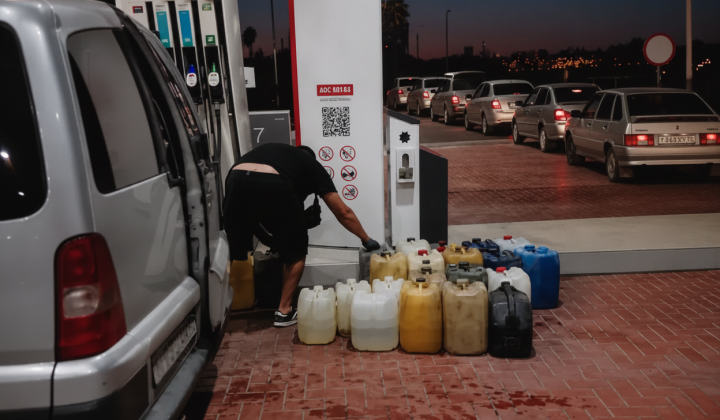
Fuel Crisis in Russia
According to Главком: Russian Deputy Prime Minister Alexander Novak has acknowledged that queues at gas stations stem from a fuel shortage, which he attributed directly to attacks on oil refineries. Gasoline production in Russia has fallen to roughly 65% of average seasonal demand, creating a daily deficit of 40,000 to 45,000 tons-about 35% of normal supply.
Novak stated,
“We must admit that there are problems and a deficit, which is why we are seeing lines.”
In June, the shortfall was estimated at 25%. Peak summer consumption of gasoline in Russia reaches 115,000–120,000 tons per day. Output has been severely impacted by shutdowns at refineries including Norsi, Omsk, and Saratov. In June, Russian refineries processed only 4.1 million barrels of crude per day-35% below their designed capacity.
Measures to Stabilize the Market
To address the crisis, Russia has banned exports of gasoline, diesel, and aviation fuel. To compensate for the shortfall, fuel deliveries from Belarus hit a record 6,000 tons of gasoline per day in June. Additionally, Russia has begun importing fuel by sea from India. By the end of June, restrictions on gasoline and diesel sales were in place across 32 Russian regions, with reports of supply disruptions coming from 83 regions nationwide.
President Vladimir Putin also acknowledged the fuel shortage on June 28, noting that facilities
“partially go out for repairs due to hits,”
which he said undoubtedly complicates the fuel market situation. According to a Financial Times assessment, Ukrainian attacks have knocked out between 20% and 40% of Russia's refining capacity, further worsening conditions across the country.
The fuel shortage carries serious economic consequences for Russia: lower output of refined products could drive up fuel prices and heighten social tensions among the population. While the government's export restrictions and increased imports from Belarus and India show efforts to stabilize the market, disruptions caused by ongoing military actions continue to hinder recovery. Monitoring further developments in this sector will be crucial, as they may affect the country's overall economic stability.
The ongoing fuel crisis in Russia has prompted authorities to seek alternative solutions to mitigate the effects of the shortage. As highlighted in a recent report, the Kremlin is now considering importing gasoline by sea to address the significant production shortfalls caused by Ukrainian strikes on refineries. This move underscores the severity of the situation and the urgent need for Russia to stabilize its fuel supply amid growing economic pressures.

Read also