Kremlin Spokesman: Soaring Oil Prices Net Russia Millions Daily

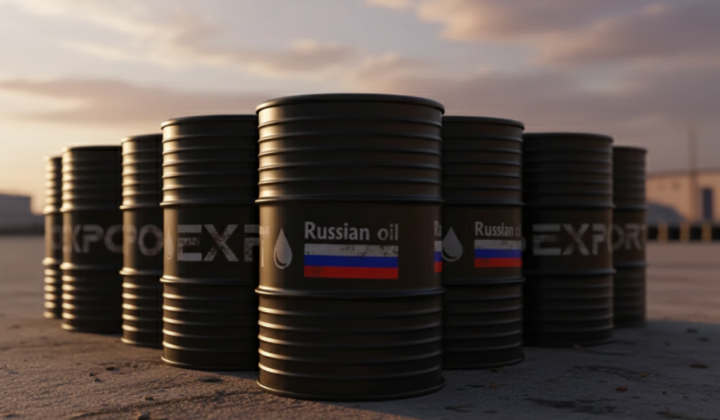
How Russia Benefits from Middle East Conflict
According to Главком: Kremlin press secretary Dmitry Peskov has stated that Russia is gaining financially from the war in the Middle East, citing increased demand for Russian oil. He also commented on a recent U.S. decision to issue a temporary license, valid until April 11, permitting the sale of Russian oil and petroleum products. Peskov framed this license as a sanctions exemption aimed at stabilizing global energy markets, noting a shared interest with the U.S. in preventing market disruption.
In an attempt to stabilize world energy markets, the Americans have made a one-month exception to the sanctions. In this case, our interests coincide with the Americans. But the situation is obvious: the international energy infrastructure cannot afford the loss of large volumes of Russian oil. Russian oil is necessary.
Dmitry Peskov
Challenges Disrupting the Oil Market
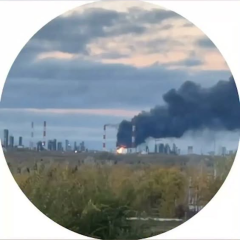
Despite the high demand, Russia's oil exports fell in early March. This drop was caused by Ukrainian drone attacks on Russian oil infrastructure and adverse weather conditions in the Baltic and Black Seas. These disruptions to production, however, are paradoxically contributing to a sharp rise in global energy prices. Analysts estimate this price surge could generate up to $150 million in additional daily revenue for Moscow.
Consequently, the oil market situation remains volatile. Further developments in the region could significantly impact Russia's energy economy and world energy prices. The sustained demand for Russian oil under global sanctions underscores its continued strategic importance to the market. Simultaneously, the infrastructure attacks and weather issues highlight the vulnerability of Russian exports, which could lead to greater instability in the energy sector. This dynamic illustrates the complex interplay between geopolitics, sanctions, and global commodity flows.

Read also