Russia raises VAT to 22%: how tax changes from 2026 will impact business

Changes in Russia's tax system from 2026
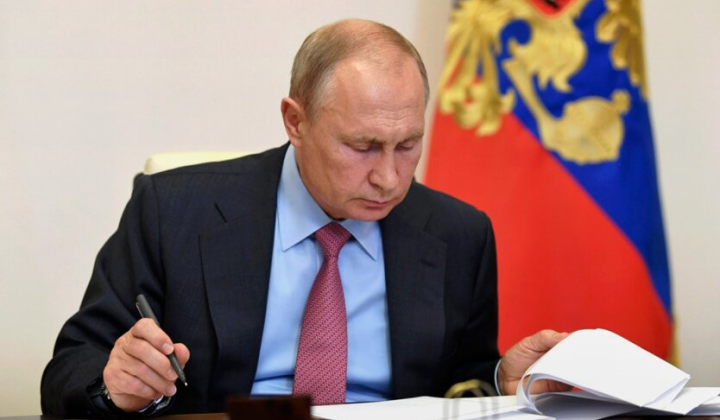
According to ХВИЛЯ: From 2026, the tax burden on businesses and citizens in Russia will increase. In particular, the value-added tax (VAT) rate will rise from 20% to 22%. Vladimir Putin has signed a package of laws that provides for this increase, as well as changes to the working conditions for small businesses. The preferential VAT rate of 10% will remain in effect for socially significant goods.
In addition to raising the VAT rate, a reduction in the annual income threshold for the simplified tax system is also planned. In 2026, this threshold will decrease from 60 million rubles to 20 million, in 2027 to 15 million, and subsequently to 10 million rubles. This means that many small enterprises may find themselves under new tax conditions, complicating their operations.
Economic consequences of tax increases
It is worth noting that in 2024, VAT accounted for almost 37% of all federal budget revenues, amounting to about 13.5 trillion rubles. The last increase in the VAT rate occurred in 2019, when it rose from 18% to 20%. The new VAT increase is expected to bring in an additional 4 trillion rubles over three years.
A law on the technological fee is also being introduced, which will impose a charge of up to 5 thousand rubles per unit of imported equipment. This fee is expected to yield about 200 billion rubles in 2026–2028.
Overall, the package of tax changes will cost businesses and the population an additional 2.6 trillion rubles in payments each year. These changes could significantly impact the economic situation in the country, particularly small and medium-sized businesses, which are already experiencing difficulties amid economic instability.
The increase in the tax burden in Russia, as well as the reduction of thresholds for the simplified tax system, may lead to a significant decrease in the financial stability of small enterprises.
The conditions in which they operate are becoming increasingly complex, which may affect their ability to invest in development and create new jobs. Given the economic situation in the country, these changes could exacerbate existing problems in the business environment and slow down economic growth. Since VAT is an important source of budget revenues, the increase in the rate may also influence consumer prices and the overall inflation rate.

Read also