War Drives Russia Into a Debt Trap

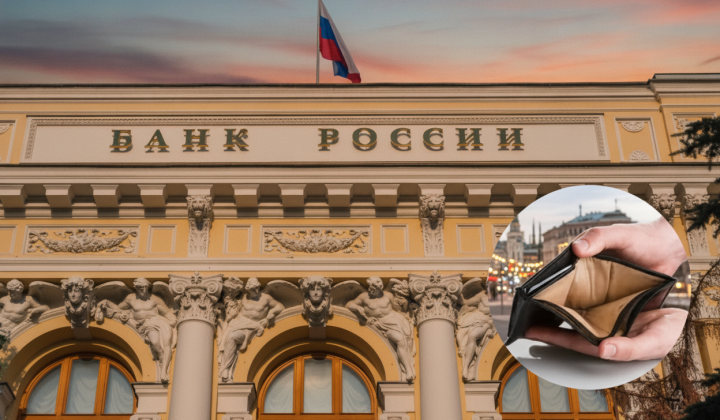
Russia’s Economic Struggles Amid War and Sanctions
According to Главком: Russia has been forced to ramp up domestic borrowing as it grapples with the combined pressures of war and international sanctions. Over the next decade, the country is set to pay at least 15% of its gross domestic product (GDP) in interest on its debt. Currently, Russia’s national debt stands at roughly 15% of GDP. This surge is largely driven by soaring defense spending, which this year could exceed the budget by 4–5 trillion rubles-an increase of nearly 40%.
The government had planned to raise over 4 trillion rubles from the domestic market, but the debt ceiling has already been reached at 37.4 trillion rubles. In the first five months of the year, the budget deficit hit 6 trillion rubles, or 2.6% of GDP, overshooting the annual target by about 60%. To cover new borrowing, the government will need to secure an additional 2–3 trillion rubles.
Soaring Debt Service Costs
Debt service costs have doubled since the full-scale invasion began in February 2022. In 2021, interest payments accounted for 4.5% of federal spending; this year, Russia plans to spend nearly 4 trillion rubles on debt servicing, or roughly 9% of the entire federal budget. That makes debt servicing the fifth-largest expenditure category, trailing only defense, national security, social policy, and the economy.
Dmitry Polevoy, investment director at Astra Asset Management, noted that 'at current interest rates, domestic debt is quite expensive.'
Analysts at Bloomberg project that Russia’s debt-to-GDP ratio could climb to nearly 70% by 2042. These indicators underscore the country’s ongoing economic difficulties.
The rise in domestic borrowing and debt servicing costs highlights the serious economic challenges Russia faces under the weight of sanctions and war. Forecasts of the debt-to-GDP ratio reaching 70% point to potential financial trouble ahead, which could destabilize the economy and strain social programs. The government is now forced to seek new sources of funding, a move that may lead to further economic and social repercussions for the population.
As the economic landscape in Russia continues to deteriorate due to soaring defense expenditures and increasing debt, the impact is felt across various sectors, including essential services. Starting July 1, residents will face significant hikes in utility rates, further straining household budgets amid these financial challenges. This situation highlights the broader implications of the country's fiscal policies and their effects on everyday life.

Read also