Russia's Expanding Footprint in Africa: A Strategy of Faith, Education, and Arms

Russia's Growing Influence Across Africa
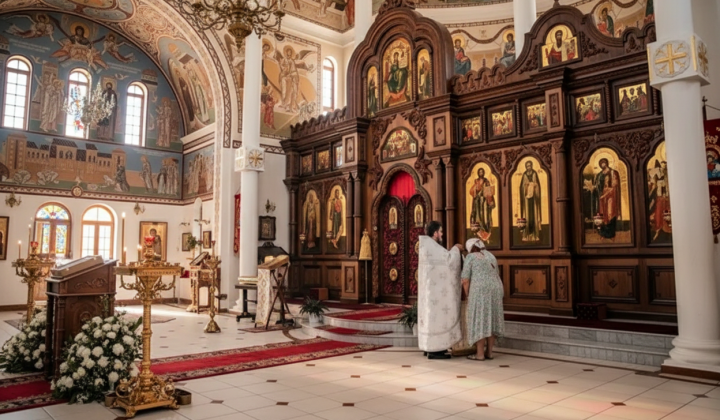
According to Главком: Russia is aggressively expanding its influence across Africa through a multi-pronged strategy involving Orthodox churches, educational programs, media, and military-political contacts. This push represents a significant shift in Moscow's foreign policy focus. In just a few years, the presence of the Russian Orthodox Church has expanded to at least 34 African nations, a dramatic increase from the mere four countries where it was previously active. As of mid-2024, the number of clergy in Africa has grown to 270, with parishes and communities reaching 350.
Demonstrating the seriousness of its ambitions, the Kremlin has established a dedicated unit to coordinate policy toward African states. A key part of this effort involves the opening of seven 'Russian House' centers to foster cultural and educational ties. This educational outreach is substantial, with over 32,000 African students currently enrolled in Russian universities. The number of scholarships offered to African students has nearly tripled since 2020, underscoring Moscow's commitment to building long-term relationships through education.
Military Partnerships and Media Outreach
On the military front, Russia holds partnership agreements with 43 African nations, highlighting the strategic priority of security ties. In contrast, its economic footprint remains limited, with Russia ranking only 33rd in trade volume with the continent. In the media sphere, the state agency Sputnik plans to expand its African operations, aiming to provide what its head, Viktor Anokhin, calls an alternative news source and a balanced information product.
Russia's activism in Africa became particularly pronounced following its annexation of Crimea in 2014, which intensified its strategic interest in a region where it seeks to compete with China, the EU, and other Western powers. In this era of heightened geopolitical rivalry, religious expansion, educational programs, and arms deals have become crucial tools for Moscow to extend its sway. This growing presence signals Russia's ambition to strengthen its position in a region traditionally dominated by other global players.
The combination of religious and educational initiatives, alongside military agreements, creates new avenues for Moscow to forge strategic alliances. As competition for influence in Africa intensifies, Russia's actions are likely to have significant implications for regional politics and the broader landscape of international relations.

Read also