Moscow Leverages UNESCO Media Grants to Expand Influence Across Africa

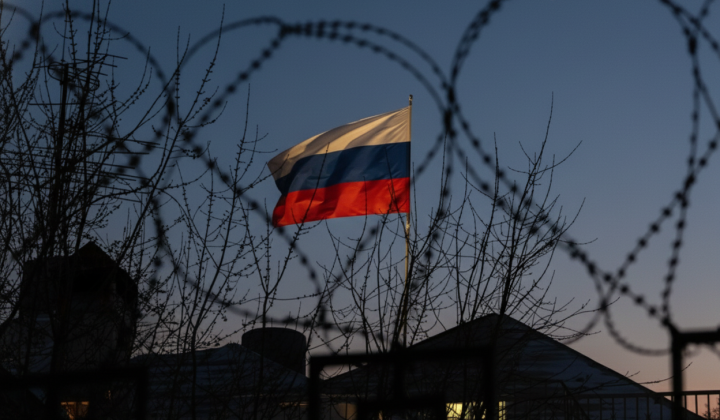
Russia’s Influence Campaign in Africa via UNESCO
According to Главком: Russia is channeling funds through UNESCO to advance its geopolitical reach in Africa, specifically by backing media initiatives. In January 2026, the Russian permanent mission to UNESCO announced a voluntary contribution of $250,000 to the International Programme for the Development of Communication. Ukraine’s Defense Intelligence Directorate reports that this move aligns with a broader Kremlin strategy to shape narratives abroad.
Between 2026 and 2027, Moscow intends to use these grants to reshape the information environment in five African nations:
- Mali
- Malawi
- Ghana
- Kenya
- Senegal
Russia’s permanent representative to UNESCO, Rinat Alyautdinov, has emphasized Africa as an “absolute priority” for Moscow, underscoring its ambition to entrench influence across the region.
Media Initiatives and Their Implications
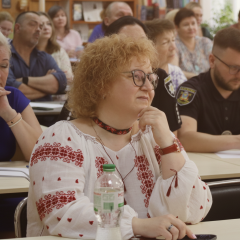
Separately, in the media sphere, former RT France head Ksenia Fedorova has embedded herself within French outlets. Her pro-Russia commentary is raising alarms ahead of France’s 2027 presidential election, with potential repercussions for the country’s political landscape.
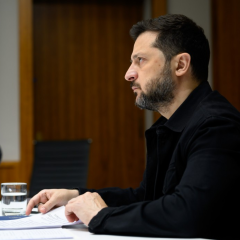
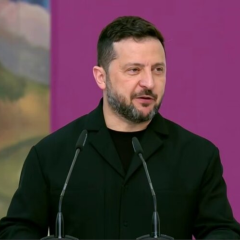
These initiatives also claim to promote free and independent journalism, combat online violence, and boost media literacy. However, Russia’s media tactics have sparked concern: state-run Channel One recently aired a segment featuring fabricated covers of European news outlets, supposedly criticizing Ukrainian President Volodymyr Zelensky. These incidents highlight an intensifying information war and underscore the critical role of media control in global politics.
Russia’s push into Africa and its broader media strategy demonstrate the Kremlin’s active pursuit of new avenues to expand its worldwide geopolitical sway. The consequences could be severe-not only for targeted nations but also for international stability, as information warfare risks fueling conflicts and destabilizing political systems. Observers should watch for countermeasures from other countries and international bodies seeking to counter these efforts.
As Russia intensifies its influence in Africa through strategic media funding, similar tactics are being observed closer to home. The recent activities of former RT France chief Ksenia Fedorova, who is now promoting Kremlin narratives on French television, illustrate how the Kremlin is working to sway public opinion ahead of critical elections. To understand the implications of these developments, read more about her role in shaping the media landscape in France ahead of the 2027 election.

Read also