How Russia's Four Strategic Shifts Are Redefining Drone Warfare and Outpacing the U.S.

Russia's Military Innovations in Drone Warfare
According to ХВИЛЯ: In a column for The New York Times, Kateryna Bondar examines four key decisions that, in her view, have enabled Russia to construct a decentralized model of military innovation, allowing it to gain an edge over the United States in drone warfare. Bondar, an analyst at the Center for Strategic and International Studies (CSIS) and a former advisor to the Ukrainian government, details the shifts in Russia's approach to developing unmanned technologies. This analysis comes at a time when drone capabilities are increasingly decisive in modern battlefields.
A primary catalyst for this transformation was the Kremlin's declaration of unmanned systems and artificial intelligence as a national priority. According to Russian government projections, one million specialists will be employed in the drone sector by 2030. The country's annual output of AI specialists is forecast to surge by more than 400%, underscoring a serious commitment to bolstering its position in military technology.
Russia's Key Decisions in Military Innovation
- Bondar's second point highlights Russia's commitment to continuous experimentation, rapidly adopting technologies proven in combat. For instance, after acquiring the Shahed drone design from Iran in 2022, Russia implemented over thirty significant modifications to the platform in less than three years. This demonstrates a remarkable adaptability and speed in integrating new solutions into its military operations.
- The third strategic shift, Bondar notes, involves abandoning abstract concepts in favor of creating programs that solve specific battlefield problems. The 'Eye'/'Storm' complex, developed for the precise and effective deployment of drones, exemplifies this approach. Furthermore, Russian intelligence reports the deployment of V2U drones capable of operating without an external data link, signaling further technological advancements.
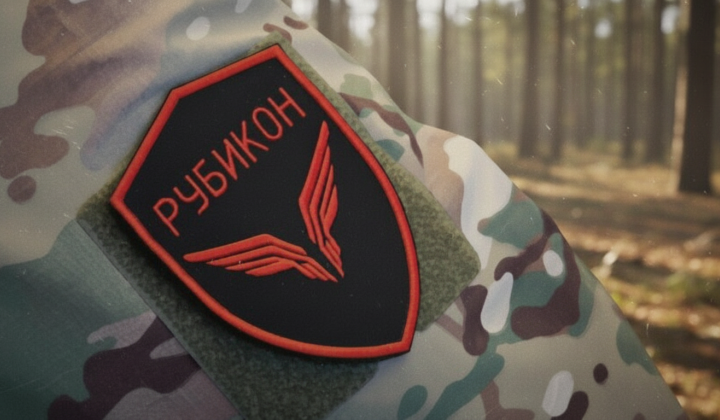
- The fourth and final decision Bondar identifies is Russia's strategic bet on private-sector initiative. Projects like 'Arkhangel' demonstrate how private companies are now contributing to military tech development. Russian Defense Minister Andrey Belousov publicly praised this development and assembly, which he termed 'garage-style,' indicating a new approach to harnessing resources and innovation in this sphere.
Kateryna Bondar argues that the conventional image of a rigid and centralized Russian military is 'dangerously outdated.'
Collectively, these decisions reveal a dynamic and evolving approach to military innovation from Russia, one with the potential to significantly impact modern conflicts and alter the balance of power in military technology.
This analysis underscores profound changes in Russian military strategy that could have far-reaching consequences for international security. As competition in military technology intensifies globally, monitoring the evolution of drone systems and the adaptation of new technologies is crucial, as they can decisively shape the course of combat. The growth of private initiatives in this field also opens new avenues for innovation, potentially complicating frontline dynamics and raising risks for other nations involved in conflicts.
As Russia continues to innovate in drone warfare, the implications of these advancements extend beyond its borders. In a related development, Ukrainian forces have successfully utilized robotic infantry to seize enemy positions without a single shot being fired, highlighting the transformative role of unmanned technologies on modern battlefields.

Read also