Russia Spends Tens of Millions of Dollars on Oreshnik Missile Strikes

Financial Toll of Russia's Military Campaign
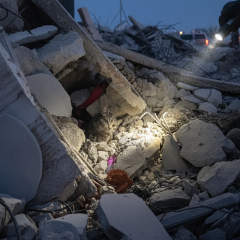
According to Главком: Russia has poured tens of millions of dollars into launching three Oreshnik missiles at Ukraine. This intermediate-range ballistic missile, deployed in the attack, caused destruction-on May 24, one missile struck ordinary garages in Bila Tserkva. Each Oreshnik missile costs an estimated $40 to $80 million, highlighting the substantial financial burden Moscow bears for its military operations.
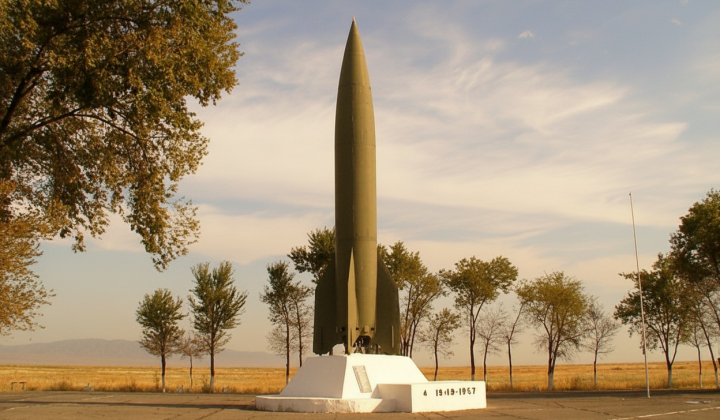
The Kapustin Yar Testing Ground
The Kapustin Yar testing ground, from which these missiles are launched, sits in a neglected steppe region near Kazakhstan. The satellite town of Znamensk, a closed administrative-territorial unit, suffers from outdated infrastructure and a low standard of living. In Znamensk, one can find dilapidated wooden shacks, unpaved roads, and a statue of Lenin. The town's rundown condition stands in stark contrast to the advanced, expensive missiles Russia develops there.
The Oreshnik missile was built nearly a decade ago and represents a deep modernization of Soviet and post-Soviet technology. Notably, the weapon contains only Russian and Belarusian components. Authorities in Znamensk strictly control access to the town; according to the authors of a Business Insider report,
“no one can enter the city unless they are registered there, have received a clear invitation, or have completed a complex pre-registration process.”
In essence, Russia's military actions, particularly its use of Oreshnik missiles, carry significant financial and technological implications that underscore the region's complex situation.
The costs associated with Oreshnik missile strikes indicate that Russia continues to invest heavily in military technology despite economic hardships and the poor state of infrastructure in the regions where these missiles are produced. This suggests that the country prioritizes its military ambitions over the socio-economic needs of its population. Furthermore, the tight control over access to production facilities in Znamensk highlights the secrecy and information restrictions surrounding military developments, which could become a key factor in international relations and regional security.
The significant investment in Oreshnik missiles reflects Russia's ongoing military strategy, which also includes unconventional methods of missile deployment. For instance, recent reports indicate that Russia is now hiding ballistic missiles underwater instead of relying solely on nuclear submarines. This shift not only showcases the lengths to which Russia will go to protect its military assets but also raises questions about the future of its military capabilities. To learn more about this intriguing development, visit how Russia is concealing its ballistic missiles.

Read also